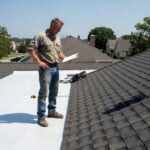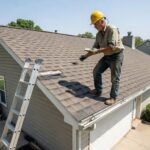
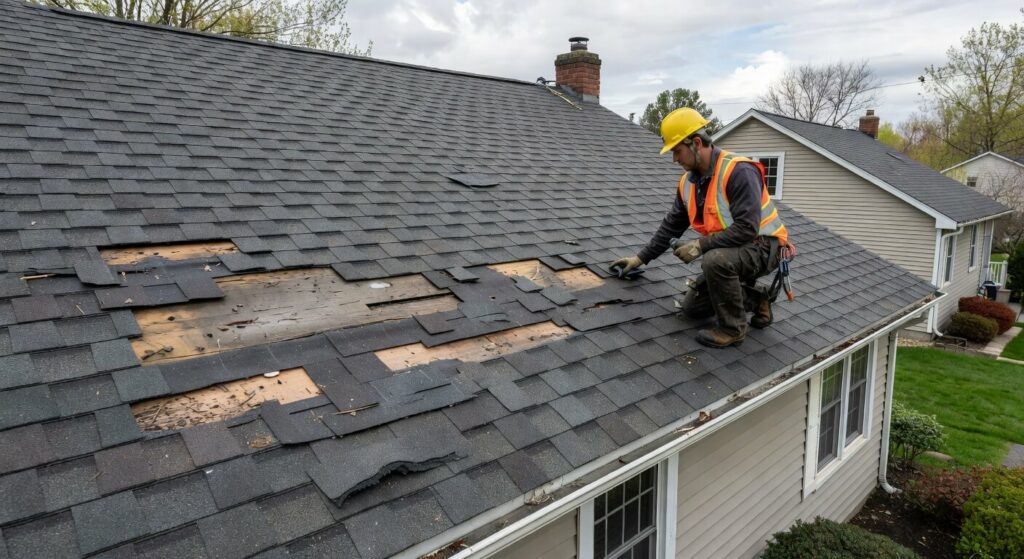
• Wind damage can hide under lifted shingles, bent flashing, and loose edges, so a fast inspection helps catch problems before water gets inside.
• A clear repair process includes checking the roof, documenting damage, replacing damaged materials, and confirming the area is sealed and secure.
• In South Hills, spring storms can create urgent roof issues, which makes early action important for protecting the home and avoiding bigger repair costs.
Why Wind Damage Needs Fast Action
Spring winds in South Hills can leave a roof looking fine from the street while hidden damage starts to spread underneath. Missing shingles, lifted edges, and small punctures can let water in fast, and that can lead to bigger repairs if we wait too long.
When homeowners search for Wind damage roof repair what to expect, they usually want clear answers before the next rain rolls in. The safest move is to act early and schedule a roof inspection so we can catch problems before they grow.
A strong roof helps protect the whole home, but wind can weaken it in ways that are easy to miss after one storm. Even if only a few shingles are loose, the damage can spread with the next gust or heavy shower, especially during spring weather in South Hills.
How We Handle Wind Damage
We start by checking the roof surface, edges, flashing, and other spots where wind tends to cause the most trouble. If we see lifted shingles, torn sections, or debris impact marks, we know where the repair work needs to begin.
That first look matters because not all wind damage is obvious from the ground. Sometimes the roof needs a small fix, and sometimes parts of the system need more attention, especially when gutters and downspouts are clogged with storm debris and water cannot drain the way it should.
Step-by-Step Wind Damage Repair
🔍 Step 1: Inspect the Roof After the Storm
We begin by looking for visible signs like missing shingles, bent flashing, and debris on the roof. This step matters because wind damage is often easier to spot right after the storm than days later.
📸 Step 2: Document the Damage
We take clear photos of the problem areas before any work begins. This helps create a record of what changed and gives a clear view of the damage size and location.
🧰 Step 3: Check for Hidden Weak Spots
We look beyond the surface to find lifted edges, cracked seals, and soft spots that may not be easy to see. Wind can loosen materials without tearing them away, so this check helps us catch trouble early.
🪜 Step 4: Secure Loose Roofing Materials
We remove or stabilize damaged pieces so they do not shift in the next round of wind or rain. This lowers the chance of water getting inside and keeps the repair area safer to work on.
🔧 Step 5: Replace Damaged Shingles or Sections
We replace the broken or missing parts with materials that match the roof as closely as possible. This restores protection and helps the roof shed water the way it should.
💧 Step 6: Check for Water Entry
We look for signs that rain has already reached the underlayment or attic space. Finding leaks early is important because water can spread damage beyond the roof deck.
🧼 Step 7: Clear Nearby Debris
We remove branches, loose shingle pieces, and other debris that can trap moisture or block drainage. A clean roof area helps prevent follow-up problems after the repair is complete.
✅ Step 8: Confirm the Roof Is Ready
We do a final check to make sure the repaired area is sealed and secure. This step helps us confirm the roof is prepared for the next spring storm in South Hills.
Common DIY Mistakes to Avoid
Trying to handle roof damage alone can seem simple at first, especially when the issue looks small from the ground. The problem is that wind damage often hides under lifted materials or around weak edges, and that makes it easy to miss important signs. These mistakes can lead to leaks, wasted time, and repairs that cost more later.
⚠️ Mistake 1: Only Checking What Is Easy to See
This happens when someone looks for obvious missing shingles but skips the edges, flashing, and other weak points. It often happens because those areas are harder to reach or seem less important, even though they are common trouble spots. To prevent it, check the full roof area and not just the most visible damage.
❌ Mistake 2: Delaying Repairs After the Storm
Many people wait because the roof seems “mostly fine” or the weather looks calm again. The delay can let small openings turn into leaks during the next rain. To prevent this, inspect and address the damage as soon as it is safe to do so.
🚫 Mistake 3: Replacing Shingles Without Checking Underneath
This mistake happens when someone covers the surface but never looks for hidden moisture or worn underlayment. It usually comes from wanting a quick fix, but that can trap problems below the surface. To prevent it, always check for deeper damage before closing the area back up.
⚠️ Mistake 4: Ignoring Gutters and Drainage Paths
People often focus only on the roof and forget that wind can fill gutters with debris and disrupt water flow. When drainage is blocked, water can back up and make roof damage worse. To prevent it, clear nearby debris and make sure water can move away from the roof properly.
❌ Mistake 5: Skipping the Final Safety Check
This happens when someone finishes the patch but never confirms the area is sealed and stable. It usually comes from rushing to be done, but that leaves the roof open to repeat damage. To prevent it, always finish with one last careful review of the repaired section.
Frequently Asked Questions
What are the first signs of wind damage on a roof?
Yes, the first signs often include missing shingles, lifted edges, bent flashing, and debris on the roof. Wind damage can also show up as small leaks or water stains inside the home after a storm.
How soon should wind damage roof repair what to expect after a storm?
Yes, repairs should begin as soon as possible after the storm is over and it is safe to inspect the roof. Waiting can allow water to enter and turn a small issue into a larger one.
Can wind damage happen even if shingles are not missing?
Yes, wind can still loosen shingles, weaken seals, or lift edges without tearing material off the roof. That is why a full inspection matters even when the roof looks mostly intact.
Do small areas of damage really need repair?
Yes, small damage can still let in water and grow worse with the next storm. A minor repair now is usually easier to handle than a larger roof problem later.
What should I expect during wind damage roof repair what to expect?
Yes, you should expect an inspection, a check for hidden damage, material replacement where needed, and a final review of the repaired area. The process is meant to restore protection and help the roof stand up to the next round of spring weather.
Protect Your Roof This Spring
Wind damage can be easy to overlook, but quick action helps protect the roof and the rest of the home from bigger problems. By checking for hidden damage, fixing loose materials, and confirming the roof is sealed, we can stay ahead of leaks and avoid unnecessary stress.
In South Hills, spring storms can bring strong gusts that test even a solid roof, so staying alert matters. If you want to keep up with our work and updates, follow us on social media.