
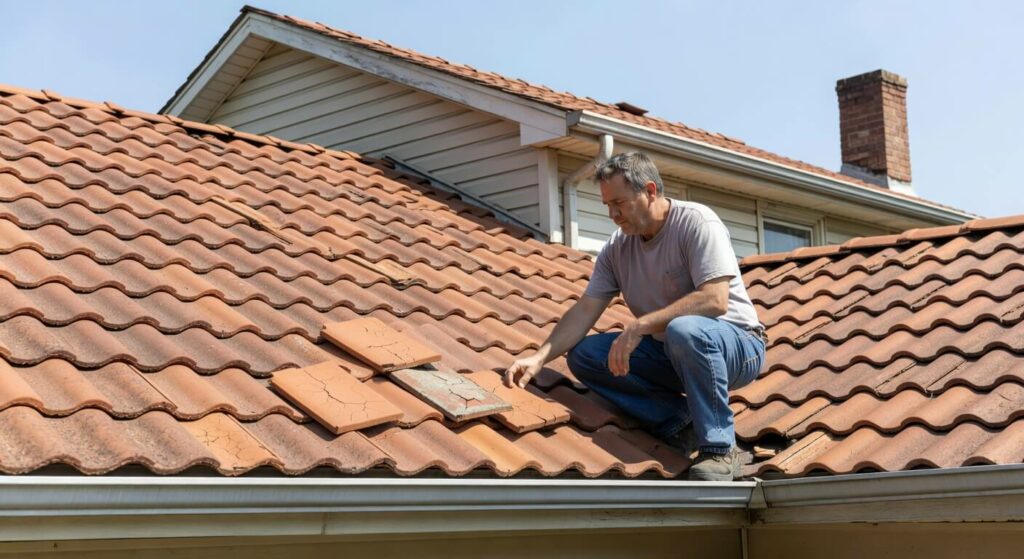
• Tile roofs can last for decades, but weather, wear, and missed maintenance can shorten their life.
• Small signs like cracked tiles, loose flashing, and ceiling stains often point to bigger problems below the surface.
• Checking your roof early and knowing what to look for can help prevent costly repairs and extend roof life.
What Tile Roof Lifespan Means
When we get asked, How long does a tile roof last, the real answer depends on the material, the roof build, and how well it has been cared for. In many cases, tile roofs can hold up for decades, but small issues can shorten that time much faster than people expect. In Mc Kees Rocks, summer heat, heavy rain, and sudden storms can all add stress that makes hidden damage easier to miss.
That is why it pays to pay attention before small problems grow into costly repairs. Cracked tiles, loose flashing, and clogged drainage can all lead to leaks that spread out of sight. If you want a better idea of what your roof may need, our roof inspection service can help identify trouble early.
A tile roof can look strong from the ground and still have weak spots beneath the surface. We often see homeowners wait until water stains appear, but by then the damage has already moved past the first stage. The best time to check a roof is before a summer storm or hot stretch puts extra strain on it.
What Affects Tile Roof Life
Several things affect how long a tile roof stays in good shape, and the biggest ones are weather, maintenance, and the quality of the underlayment. The tiles themselves may last a long time, but the layers below them can wear out sooner and create leaks. That is why the answer to How long does a tile roof last is never the same for every home.
We also know that roof care matters more in areas with changing seasonal weather. In summer, strong sun and fast temperature shifts can dry out sealants and make older parts brittle. Water that sits in gutters or flows where it should not can also speed up wear, which is why roof drainage should never be ignored.
How To Check Tile Roof Life
🕵️ Step 1: Look at the roof from the ground
Start by scanning the roof for broken, slipped, or missing tiles. This helps you catch obvious issues before they turn into leaks.
🔎 Step 2: Check for stains inside the home
Look at ceilings, walls, and attic areas for dark spots or damp marks. These signs often point to moisture getting past the roof covering.
🧰 Step 3: Inspect flashing around roof edges
Pay close attention to areas around chimneys, vents, and valleys. Flashing is one of the most common places for water to get in when it loosens or wears down.
🌧️ Step 4: Watch how water moves after rain
Check whether water drains away cleanly or pools near the roofline. Poor drainage can shorten roof life by keeping materials wet longer than they should be.
🧱 Step 5: Examine the tiles for cracks
Use a careful visual check to spot cracked or chipped tiles. Even a small break can let water reach the layers below the surface.
🧹 Step 6: Clear debris from the roof and gutters
Remove leaves, dirt, and other buildup that can trap moisture. Clean drainage helps reduce wear and supports the roof through wet weather.
📅 Step 7: Compare the roof’s age to expected wear
If the roof is getting older, keep closer watch on its condition. Age alone does not mean failure, but older roofs often need more frequent checks.
👷 Step 8: Schedule a professional review when needed
If you see signs of wear, get a trained roofer to take a closer look. A pro can spot hidden problems that are easy to miss from the ground.
Common DIY Mistakes To Avoid
A tile roof can seem simple to inspect, but small errors can make problems worse. Many homeowners mean well, yet they miss signs that point to deeper wear or hidden water damage. These mistakes often lead to delayed repairs and higher costs later on.
⚠️ Mistake 1: Checking only from the ground
This happens when people assume a quick look is enough to judge roof condition. It often misses cracked tiles, worn flashing, and other trouble spots that are not visible from below. To prevent this, use a closer visual check or have the roof examined properly.
⚠️ Mistake 2: Ignoring small cracks in tiles
This mistake starts when a chip or hairline crack is treated as harmless. Those openings can let water reach the layers underneath and spread damage over time. The fix is to take even small breaks seriously and watch them closely.
⚠️ Mistake 3: Forgetting about flashing
People often focus on the tiles and overlook the metal areas around roof openings. That happens because flashing is less obvious, but it is a common point for leaks. Prevent this by checking these areas as carefully as the tiles themselves.
⚠️ Mistake 4: Letting debris stay on the roof
Leaves and dirt can hold moisture and block normal drainage. This usually happens when cleanup gets delayed during busy months or after a storm. Clearing buildup regularly helps protect the roof from extra wear.
⚠️ Mistake 5: Waiting for a leak to appear
This is one of the biggest mistakes because water damage often starts long before it becomes visible. Homeowners delay action since the roof may still look fine from outside. To avoid this, check for wear early and act before the damage spreads.
Frequently Asked Questions
How long does a tile roof last?
Yes, a tile roof can last for many decades when it is installed well and maintained on a regular basis. The tiles often hold up longer than the materials beneath them, so the full roof system should still be checked over time.
What shortens the life of a tile roof?
Yes, weather exposure, poor drainage, and missed maintenance can shorten a tile roof’s life. Cracked tiles and worn flashing also make it easier for water to reach the underlayment and cause early damage.
Do tile roofs need regular inspections?
Yes, regular inspections are important because small problems can hide under the surface for a long time. A careful check helps spot loose tiles, damaged flashing, and signs of moisture before they become serious.
Can a tile roof fail even if the tiles look fine?
Yes, a tile roof can still have problems even when the tiles look intact. The underlayment, flashing, and drainage areas may be worn down while the top surface still appears solid.
How can we tell if our tile roof needs repair?
Yes, signs like cracked tiles, ceiling stains, and loose roof edges often mean repair is needed. If the roof is older or has been through severe weather, it is smart to have it checked sooner rather than later.
Final Thoughts On Tile Roof Care
Knowing How long does a tile roof last starts with understanding that the roof is more than just the visible tiles. The condition of the underlayment, flashing, and drainage all play a part in how well it performs over time.
In Mc Kees Rocks, summer weather can put extra pressure on a roof that already has age or wear. Staying ahead of small issues gives your home a better chance of staying dry and protected for years to come, and you can keep up with us on our Instagram page.