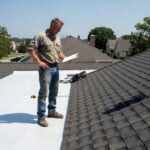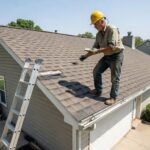
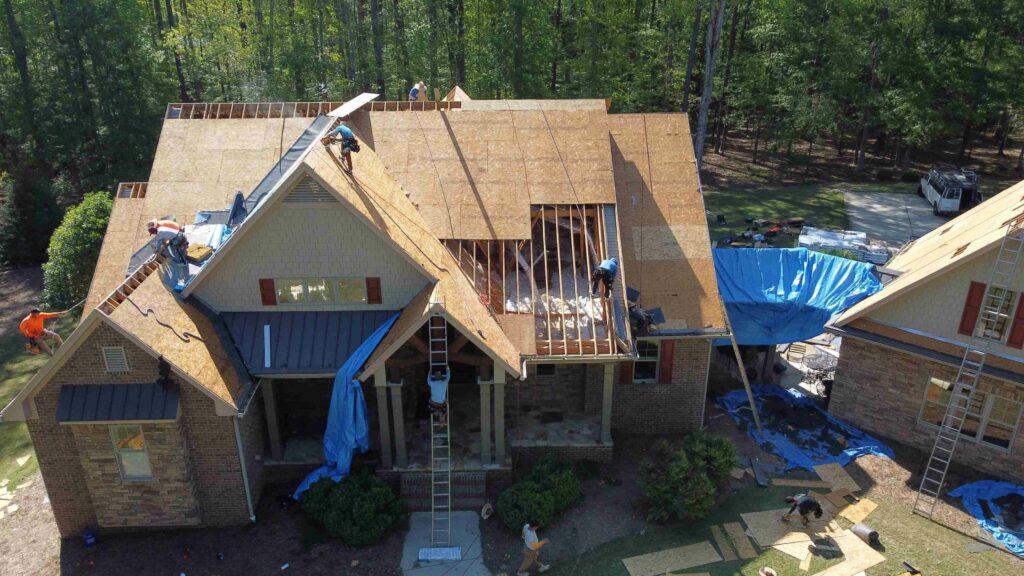
• Exploring TPO Roofing: Unpack the advantages and drawbacks of using TPO materials for your home’s roof, providing a basis for homeowners to make informed decisions.
• Professional Guidance: Emphasize the importance of consulting with roofing experts to ensure proper installation and maximize TPO roofing benefits for long-term satisfaction and performance.
• Stay Informed: Highlight ways to connect with roofing professionals and get the latest updates on TPO roofing projects through dedicated social media channels.
Recognizing Concerning Signs
Before exploring the intricacies of TPO roofing systems, it’s crucial to understand when your current roof may be telling you it’s time for a change. Look for telltale signs such as frequent leaks, particularly after heavy snowfall in Leetsdale’s brisk winters, or patches where the membrane appears blistered or has receded. These symptoms suggest your roof’s material is struggling to cope with the harsh weather conditions. Additionally, if you’re witnessing a spike in energy bills, it could point towards inefficient roofing insulation, a problem that TPO roofing addresses well.
The second paragraph moves beyond the visible signs to consider the age of your roofing. Most roofing materials have a set lifespan, and as they approach the end of this era, problems become more frequent and repairs may become a bandaid rather than a solution. It’s during this phase that assessing the practical benefits of TPO roofing—its robustness and energy efficiency—should come to the forefront of your decision-making process. Gathering knowledge at this stage is critical, as it ensures you’re well-informed about what a TPO roof can bring to your home or commercial building.
Lastly, consider not just the physical deterioration but also the functional drawbacks that indicate the need for a roofing overhaul. If your current roof is contributing to thermal inconsistencies within your building, or can’t seem to hold up against Leetsdale’s snowy season without demanding constant attention, these are functional failures that a high-quality TPO roofing system might remedy. It’s here that a well-rounded evaluation of your roofing needs becomes indispensable—weighing the cost of ongoing repairs against the investment in a new, long-lasting TPO roofing arrangement.
Delving into the Advantages of TPO Roofing
When choosing the right roofing for your home, it’s important to acknowledge the standout features of TPO roofing systems. Known for its energy-efficient performance, TPO roofing reflects UV rays, helping Leetsdale homes stay cooler in the summer and warmer during the wintry months. This quality directly translates into cost savings on energy bills, a tangible benefit homeowners appreciate. Moreover, TPO’s resilience in the face of harsh weather conditions means fewer worries about costly storm damage repairs.
Alongside its energy-saving prowess, TPO roofing includes an ease of installation that sets it apart from other roofing types. Its lightweight nature ensures that the roofing process is quicker and less labor-intensive, potentially reducing installation costs. Homeowners are often drawn to TPO roofing because it comes in a variety of colors to complement different styles and aesthetics. Furthermore, the material’s strong resistance to mold, punctures, and dirt accumulation means a reduction in maintenance costs and efforts over the roof’s lifespan.
Understanding the Limits of TPO Roofing
As with any material, TPO roofing has its limitations that must be considered. The relative newness of TPO as a roofing material means that long-term data on its durability is still being gathered, leaving some uncertainty about its lifespan compared to more traditional materials. In instances where the installation is not expertly handled, TPO roofs can be susceptible to membrane shrinkage over time, leading to possible leaks or other complications. It’s critical to partner with a trusted installer who can mitigate these risks and capitalize on TPO’s strengths.
Ensuring the longevity of your TPO roof is not just about selecting the right material, but also ensuring professional installation and maintenance. For Leetsdale residents, winter conditions call for a roofing solution that can withstand heavy snow and freezing temperatures without compromising structural integrity. To guarantee the best outcome, consider consulting with Roof-Tastic & Beyond Exteriors, where our team can guide you on inspection, replacement, and maintaining your gutters and downspouts integrated with the TPO roofing system. The right expertise will ensure your TPO roofing benefits outshine its drawbacks for years to come.
Step 1: Understand TPO Roofing
Learn about TPO roofing, its composition and general characteristics, to grasp why it’s a popular choice for commercial and residential buildings.
Step 2: Assess the Benefits
Review the advantages of TPO roofing, such as its energy efficiency, durability against weather conditions, and ease of installation, to determine if it meets your needs.
Step 3: Consider the Drawbacks
Examine the potential downsides of TPO roofing, like issues with longevity and potential for membrane shrinkage, to make an informed decision.
Step 4: Evaluate Roofing Needs
Analyze your specific roofing requirements in relation to Leetsdale’s winter weather to see if TPO roofing is the best choice seasonally and logistically.
Step 5: Compare Costs
Investigate TPO roofing prices and compare them with other roofing types, factoring in installation, maintenance, and repair costs over the roof’s lifecycle.
Step 6: Explore Lifespan and Maintenance
Research the average lifespan of TPO roofs and the typical maintenance procedures needed, to understand the long-term investment and upkeep.
Step 7: Seek Professional Guidance
Consult with a professional roofing contractor experienced in TPO roofing to receive tailored advice for your property’s specific circumstances.
Step 8: Make an Informed Decision
Gather all your research, balance the benefits and drawbacks, and decide whether TPO roofing will suit your individual needs in Leetsdale during the winter season.
Avoid These Common TPO Roofing Mistakes
Stepping into a TPO roofing project can be daunting, and even with a wealth of information at hand, it’s easy to trip up on some common missteps. This section highlights pitfalls to dodge so your journey towards a more durable and energy-efficient roof remains smooth and successful. Recognize these frequent errors to not only safeguard your investment but also ensure your TPO roof lives up to its expected benefits and longevity.
- Mistake 1: Inadequate Surface Preparation – Installing TPO roofing on an improperly cleaned and prepared surface can lead to adhesion problems. Debris and moisture trapped under the membrane might cause blisters and weaken the roof’s integrity. To avoid this, thoroughly clean the roof deck and ensure it’s dry before laying down the TPO membrane.
- Mistake 2: Poor Seam Welding – TPO roofing requires precise heat welding at seams for optimal performance. Poor welding can result in leaks, jeopardizing the roof’s durability. Take the time to practice and perfect your welding technique, or better yet, hire a professional to guarantee it’s done right.
- Mistake 3: Ignoring Expansion and Contraction – Leetsdale’s winter season can cause materials to contract, and summer heat can make them expand. An oversight in accommodating these shifts can lead to TPO membrane damage. Ensure that the material is installed with proper spacing and flexibility to adjust to temperature fluctuations.
- Mistake 4: Using Incompatible Materials – TPO membranes can react negatively when in contact with certain roofing materials and adhesives, leading to degradation. Always check for material compatibility, seeking guidance from manufacturers or professional installers to prevent this issue.
- Mistake 5: Skimping on Quality for Cost – While TPO roofing is known for being cost-effective, don’t compromise on quality for a lower price. Cheaper materials can lead to premature wear and tear, erasing any initial savings with future repair costs. Investing in high-quality TPO from reputable suppliers is crucial.
- Mistake 6: DIY Installation Without the Proper Skill Set – TPO roofing installation may seem straightforward, but it requires specific knowledge and skills. Inexperienced DIY installation can lead to long-term problems. It’s vital to either invest time in learning proper installation techniques or consult with an experienced contractor for professional installation.
Evaluating Your Specific Roofing Requirements
Understanding your particular roofing needs, especially in the context of Leetsdale’s seasonal climate, is paramount to making the right choice with TPO roofing. It’s not just about the material itself but how well it aligns with your home’s exposure to the elements during winter. Assessing factors like thermal insulation and snow load capability can determine whether TPO roofing will provide the practical long-term benefits you’re seeking.
A roof does more than shelter; it’s a complex system contributing to your home’s energy efficiency and structural integrity. Thus, gauging the performance of your current roofing against TPO’s properties is essential. Partnering with a professional roofing inspection service can offer insights into the adaptability and resilience of TPO roofing for your specific Leetsdale home.
Calculating the Investment in TPO Roofing
When considering a shift to a TPO roofing system, the initial cost is a crucial factor. However, it’s the long-term savings in maintenance and energy efficiency that truly delineate the investment’s value. Comparing these costs with your current roofing expenses will often highlight the financial advantages of upgrading to TPO.
Making the transition to TPO roofing also involves anticipating its lifespan and weighing this against its maintenance needs. Regular maintenance checks, especially post-winter, can significantly extend your TPO roof’s service life. Leetsdale homeowners can rest assured, knowing that a well-maintained TPO roof is built to withstand the rigors of their local climate.