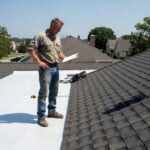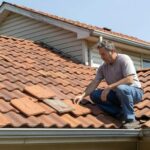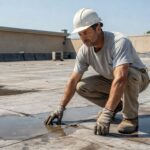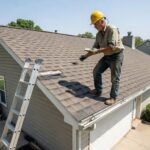
• Spot common warning signs: Check for missing shingles and rusty fixtures to assess your roof’s need for safety upgrades.
• Follow local regulations and consult experts: Learn Warrendale’s safety codes and get professional advice on suitable materials for summer.
• Install and maintain safety features: Upgrade with heat-resistant materials, ensure proper PPE use, and establish regular roof maintenance.
Recognizing the Warning Signs on Your Roof
Your home in Warrendale is your haven, and the roof is its shield, especially during the lively summer season. Yet, many homeowners overlook the early warning signs that point to the necessity of upgrades in roof safety measures. Cracked or missing shingles can be more than cosmetic faults; they suggest underlying wear that compromises your roof’s integrity. Additionally, rusted or loose fittings and fixtures on your rooftop equipment may indicate that safety features aren’t as secure as they once were.
Assessing the Safety of Your Roof Installations
The guardrails and anchor points that once stood steadfast might now wobble with uncertainty, leading to potentially unsafe conditions. Imagine your walk pads, meant to offer secure footing, now brittle and crumbled; they no longer guarantee the reliable pathway they were designed to provide. These are the silent alarms calling for attention, signaling the pressing need for evaluating the current safety state of your rooftop. Regular inspection is key, for even the most minor discrepancies can balloon into major hazards if left unchecked.
Proactive Measures Against Roofing Risks
As the Warrendale sun beams down on your home, it’s important to acknowledge not just the visible signs of wear but also the less overt indicators of needed safety enhancements. Loose debris, such as branches or stones, may seem harmless but can punctuate your roofing material, leading to unseen damage. Warped or bent roofing structures speak volumes about the necessitated care and the urgency to take proactive steps towards fortifying your rooftop’s safety. Encountering any of these signs propels the need for professional assessment to ensure your quiet summer days remain uninterrupted by roofing woes.
Navigating Local Regulations and Professional Insights
In the quest to bolster your roof’s safety, an understanding of Warrendale’s specific building codes is indispensable. These regulations are in place to ensure that all safety-related upgrades meet a universal standard of protection. By navigating through Roof-Tastic & Beyond Exteriors, homeowners can acquaint themselves with the pertinent legal requirements and available services. This research lays a robust foundation for making informed decisions on the upgrades vital for your home’s defense against summer’s searing heat.
Turning to the Experts for Roof Safety Wisdom
With the sun high and radiant, it’s prudent to have a certified professional provide a comprehensive examination of your rooftop. Their specialized knowledge can pinpoint nuances in safety needs tailored to your property’s unique characteristics. They help bridge the gap between regulatory compliance and your personal safety objectives, making sure your roof’s security is not left to chance. Access to expert insights can turn a daunting task into a streamlined process, setting the stage for both immediate and long-term rooftop fortification.
Step 1: Assess Your Current Roof Safety Setup
Review the existing safety measures you have in place for your roof. Ensure that all previous installations like guardrails, anchor points, and walk pads are in suitable condition. Understand what aspects may need an upgrade to meet the latest safety standards.
Step 2: Research Local Roofing Safety Regulations
Familiarize yourself with Warrendale’s local building codes and safety regulations. This will provide a benchmark for required upgrades and ensure that any changes you make will be compliant with regional standards.
Step 3: Consult with a Roof Safety Professional
Have a professional roofing contractor inspect your roof and recommend specific safety upgrades. They can offer advice tailored to your roof’s structure, age, and the typical weather conditions in Warrendale during summer.
Step 4: Plan for Weather-Related Safety Features
As it’s summer, consider heat-resistant materials and coatings that reflect sunlight to maintain a safe work temperature on the roof. Warrendale summers can be warm, so materials that aid in reducing heat could be beneficial.
Step 5: Install Updated Safety Equipment
Based on the professional’s recommendations, install new or upgraded safety features such as guardrails, non-slip walk pads, roof anchors, or warning line systems. These should be modern solutions that improve the overall safety of your roofing experience.
Step 6: Ensure Proper Personal Protective Equipment (PPE)
Ensure that anyone accessing the roof has and knows how to properly utilize PPE such as helmets, non-slip shoes, and safety harnesses that attach to the newly installed anchor points.
Step 7: Create a Maintenance Schedule
Regular maintenance is pivotal for prolonged roof safety. Set up a regular inspection and maintenance schedule to check the integrity of the installed safety systems and perform necessary repairs or replacements.
Step 8: Educate and Train
Provide training for any individuals—whether they be homeowners, business managers, or construction workers—on how to safely use the roof and the newly upgraded safety measures. Understanding how to navigate the upgrades is critical for the safety of all parties involved.
Common Pitfalls in DIY Roof Safety Upgrades
While DIY projects can be fulfilling, they often lead to errors that undermine roof safety. The eagerness to improve your home should not overshadow the need for meticulousness and adherence to safety protocols. Here are the common mistakes to be aware of when undertaking roof safety upgrades, complete with insights on why they happen and how to avert them.
1. Ignoring Warrendale’s Building Codes
Homeowners sometimes skip the vital step of researching local regulations, leading to non-compliant safety installations. This oversight can result in costly penalties and, more importantly, unsafe roofing conditions. Prevent this by thoroughly reviewing Warrendale’s building codes before starting any work on your roof.
2. Choosing the Wrong Materials for the Climate
Selecting materials that aren’t designed to withstand the summer heat of Warrendale can degrade your roof’s safety features. This happens when individuals aim for cost-savings over quality or are uninformed about seasonal material suitability. Consult a professional and opt for heat-resistant materials that ensure longevity and safety.
3. Overlooking the Condition of Existing Installations
The condition of current safety measures, like guardrails or anchor points, is often presumed to be adequate without proper inspection. This assumption can lead to a false sense of security. Avert this by performing a detailed assessment and replacing any elements that don’t meet the latest safety standards.
4. Neglecting Proper Personal Protective Equipment (PPE)
DIY enthusiasts may forgo the necessary PPE, putting themselves at risk of injury. Whether it’s due to haste or unawareness, the importance of PPE cannot be overstated. Ensure everyone involved in the roofing project is equipped with and trained to use the correct PPE.
5. Failing to Establish a Consistent Maintenance Routine
Without regular inspections, even the best-installed safety features can fail. Homeowners often install new upgrades but neglect ongoing maintenance, which compromises safety over time. Prevent this mistake by scheduling regular maintenance checks to ensure all safety systems remain in top-notch condition.
6. Underestimating the Need for Professional Expertise
While DIY can be empowering, some tasks demand professional skills, especially when safety is at stake. Errors occur when individuals proceed without proper knowledge or experience. Consult with a roofing safety professional to obtain tailored advice and installation assistance, ensuring your roof’s safety measures are effectively upgraded.
Installing the Latest in Roof Safety
When it comes to roof safety, using high-quality and modern equipment is as vital as wearing a hard hat on a construction site. The installation of upgraded safety features, such as state-of-the-art guardrails and non-slip walk pads, marks a crucial step in the journey toward a safer rooftop environment. For assistance with the selection and installation of the ideal safety upgrades, visit Roof-Tastic & Beyond Exteriors, where experts are ready to guide you through a range of top-tier roofing safety solutions.
Maintaining Gear and Training Personnel
Continuous maintenance and regular training are the keystones of a safe roofing experience. Establishing a consistent schedule for inspecting and servicing your new safety installations ensures their functionality, especially as the Warrendale summer heat bears down. Not only is it essential to maintain the equipment itself, but also to educate anyone accessing the roof on the proper use of these safety features, ensuring a secure summer for all.