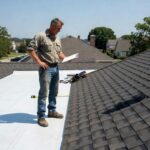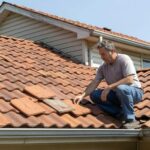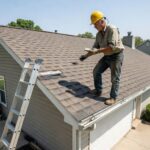
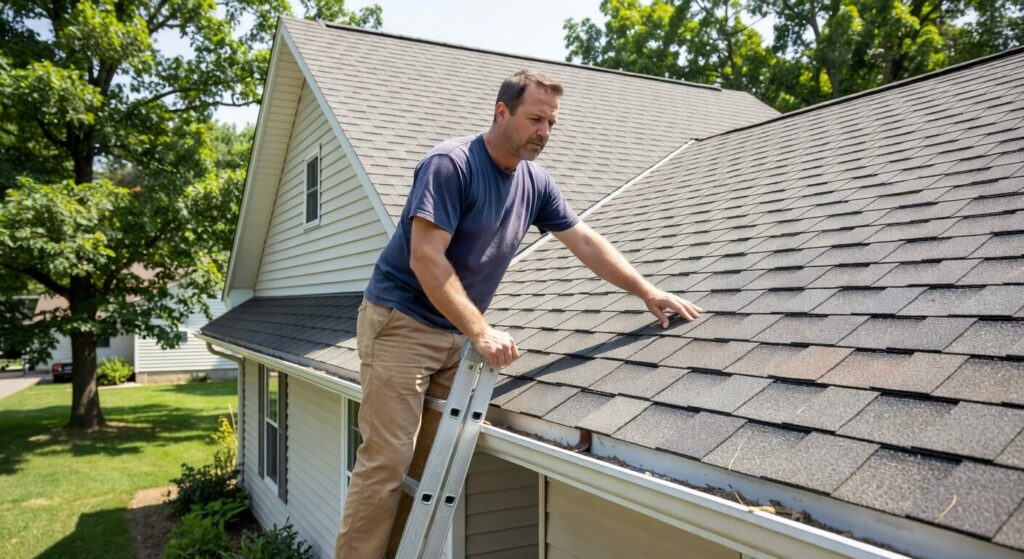
• Check shingles, flashing, gutters, and the attic early so small roof issues do not turn into bigger repairs.
• Use a simple step-by-step inspection process to spot summer wear, drainage problems, and hidden moisture.
• Avoid common DIY mistakes and know when to call a professional for a safer, more accurate roof check.
Why Summer Roof Checks Matter
Summer heat can wear down a roof faster than many homeowners expect. Shingles can loosen, seal strips can soften, and small issues can turn into bigger repairs if they go unnoticed. If you want to stay ahead of trouble, now is the time to review our roof inspection service and take action before weather stress builds up.
A roof often gives small warning signs before a bigger problem appears. You might notice curled shingles, dark patches, or signs of wear around vents and flashing after a stretch of hot, wet weather. Catching these issues early can help protect your home and save time later.
That is why summer roof inspection tips matter for homeowners in Gibsonia. Warm weather gives us a good window to spot damage, clear away buildup, and check the areas that take the most abuse. A careful look now can help keep your roof ready for the rest of the season.
How We Check a Roof in Summer
We start by looking at the roof surface for cracked, lifted, or missing shingles. Then we check flashing, vents, and edges where water can slip in more easily. This simple approach helps us find problems before they spread to other parts of the roof.
We also pay close attention to the attic and ceilings inside the home. Stains, moisture, or warm air buildup can point to roof issues that are not easy to see from the outside. We pair that with a quick look at drainage areas, since clogged gutters can send water back toward the roofline and cause added stress.
Summer roof inspection tips work best when the process is done in a steady order. A roof should be checked from the ground, from the roof surface when safe, and from inside the home. That gives a clearer picture of what is happening and helps make sure no weak spot gets missed.
Step-by-Step Summer Roof Inspection Tips
🔍 Step 1: Check the Roof from the Ground
Start by looking for missing shingles, uneven lines, or obvious sagging from a safe spot on the ground. This first look helps you spot easy-to-see trouble before you move on to a closer inspection. It is a simple way to catch signs of wear without stepping onto the roof right away.
🧹 Step 2: Clear Away Leaves and Debris
Remove branches, leaves, and other buildup from the roof surface and valleys. Debris holds moisture and can trap heat, which adds stress to roofing materials. Clearing it away helps water move off the roof the way it should.
📋 Step 3: Inspect Shingles for Damage
Look for curling, cracking, blistering, or missing shingles. These are common signs that heat and weather have started to weaken the roof covering. Finding damaged shingles early helps prevent leaks from forming later.
🔦 Step 4: Check Flashing and Roof Edges
Look closely at flashing around chimneys, vents, and roof joints. These are common entry points for water if the metal has lifted or pulled away. Keeping these areas sealed is important because even a small gap can lead to interior damage.
🏠 Step 5: Look Inside the Attic
Go into the attic and check for moisture, stains, or daylight showing through the roof boards. Heat and humidity can make roof problems easier to spot inside the home. This step is important because some damage shows up indoors before it becomes obvious outside.
🌧️ Step 6: Review Gutters and Downspouts
Make sure gutters and downspouts are clear and moving water away from the house. Backed-up drainage can send water toward the roof edge and fascia. Good water flow helps protect both the roof and the structure below it.
🛠️ Step 7: Watch for Soft or Weak Spots
Carefully notice any areas that feel soft, saggy, or different from the rest of the roof. These spots can point to trapped moisture or damaged decking below the shingles. They should be taken seriously because they can signal deeper roof trouble.
✅ Step 8: Schedule a Professional Review if Needed
If you see damage or are not sure what you found, have the roof checked by a trained crew. A professional can confirm whether the issue is minor or needs repair. This is the safest way to protect your home when the signs are not clear.
Common DIY Mistakes to Avoid
Many homeowners want to handle roof checks on their own, but a few simple mistakes can lead to missed damage. Summer heat can make roof materials more fragile, so rushed work often creates more risk than it solves. Knowing what to avoid can help you make better decisions and protect your home.
- ⚠️ Mistake 1: Skipping the Ground Inspection
Some people climb up too fast and miss signs that could have been seen from below. This happens because they want quick answers, but it can lead to a poor first look at the roof. Start from the ground so you can spot obvious issues before getting closer. - ❌ Mistake 2: Ignoring Small Shingle Damage
Tiny cracks or curled edges are easy to overlook, especially when the roof still looks mostly fine. Homeowners often think small damage is harmless, but summer heat can make those weak spots worse. Prevent this by treating every visible change as a clue that deserves attention. - 🚫 Mistake 3: Forgetting the Attic Check
Some DIY inspections stop at the roof surface and miss what is happening inside the home. This usually happens because the attic is less obvious to check, even though it can show leaks and moisture first. Always inspect the attic so you do not miss hidden warning signs. - ⚠️ Mistake 4: Leaving Debris in Place
Leaves, sticks, and dirt often stay on the roof after a quick cleanup. That happens because people focus on the shingles and forget that debris can trap water and heat. Remove buildup carefully so the roof can drain and dry the way it should. - ❌ Mistake 5: Not Checking Drainage Areas
Gutters and downspouts are often ignored during a roof check, even though they play a big part in keeping water away from the home. This mistake usually comes from thinking the roof itself is the only concern. Make sure drainage paths are clear so water does not back up toward the roof edge.
Frequently Asked Questions
What are the best summer roof inspection tips for homeowners?
Yes, the best summer roof inspection tips start with a safe ground check, followed by looking for damaged shingles, flashing issues, and drainage problems. You should also inspect the attic for signs of moisture or heat-related wear. A step-by-step look helps catch problems before they become larger repairs.
How often should a roof be inspected in summer?
Yes, a roof should be checked at least once during summer, especially after heavy storms or long stretches of heat. Summer weather can dry out materials, loosen shingles, and expose weak spots. A routine inspection helps homeowners stay ahead of preventable damage.
What signs show that a roof needs attention in hot weather?
Yes, curled shingles, missing shingles, stains on ceilings, and debris trapped in roof valleys are all common warning signs. Heat can make these problems more noticeable and can speed up wear on older roofing materials. If you spot any of these signs, the roof should be reviewed as soon as possible.
Can clogged gutters affect a roof in summer?
Yes, clogged gutters can affect a roof in summer by trapping water near the roof edge and fascia. When water cannot drain properly, it can back up and increase the chance of damage. Clear gutters and downspouts help protect the roof and the home’s exterior.
When should I call a professional for a roof inspection?
Yes, you should call a professional if you see damage, feel unsure about what you found, or cannot safely inspect the roof yourself. A trained roofer can identify hidden problems and explain what needs to be fixed. This is the safest choice when the signs point to possible roof trouble.
Stay Ahead of Roof Problems
A summer roof check is one of the easiest ways to protect your home before small issues grow into bigger ones. By following the right steps, you can spot wear, clear debris, and keep an eye on the places where trouble often starts. That kind of care goes a long way in Gibsonia, especially during the heat and storms of the season.
When we stay alert to early warning signs, we give our roof a better chance to do its job well. If you want to keep up with Roof-Tastic & Beyond Exteriors and see what we are working on, follow us on social media.