
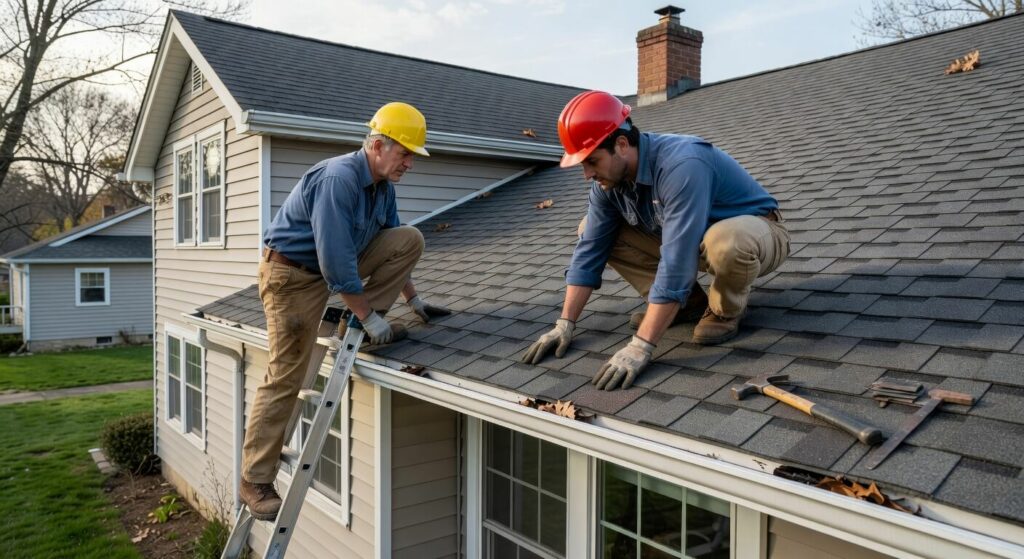
• Spring roof maintenance helps catch small problems early, like damaged shingles, loose flashing, and clogged gutters, before they turn into costly leaks.
• A step-by-step roof check in spring can protect your home, improve drainage, and help your roof last longer through the seasons ahead.
• Avoiding common DIY mistakes and knowing when to call a roofing professional can save time, reduce risk, and keep your roof in better shape.
Why Spring Roof Care Matters
Spring weather can be hard on a roof, especially after months of cold, wind, and snow. Small issues often stay hidden until rain arrives, and then they can turn into bigger repairs fast. That is why spring roof maintenance for longer roof life matters so much for homes in Presto.
When we check a roof early in the season, we can catch worn shingles, loose flashing, and clogged drainage before they lead to leaks. Even a small problem can spread if water keeps getting into weak spots. For homeowners who want to stay ahead of damage, a timely roof inspection can make a real difference.
Spring is also the best time to clear out winter debris and see how the roof handled the season. Leaves, branches, and ice-related wear can all leave behind trouble that is easy to miss from the ground. Taking care of these issues now helps protect the roof during the rainier months ahead.
How We Protect Roofs In Spring
We start by checking the whole roof surface for damaged shingles, lifted edges, and soft spots. Then we look at flashing, valleys, and vents, since those areas often show the first signs of water trouble. This kind of care supports spring roof maintenance for longer roof life by reducing the chance of small problems growing worse.
We also pay close attention to drainage because water needs a clear path off the roof. When gutters or downspouts are blocked, water can back up and sit near the roof edge, which adds stress over time. Our team knows that a clean drainage system and a solid roof work together, and that is why we often check gutters and downspouts during spring maintenance.
Step-By-Step Guide
🔍 Step 1: Check the Roof From the Ground
Start by looking for missing shingles, bent flashing, or pieces of debris near the roofline. This helps you spot obvious problems safely before going any further. A quick first look can save time and show you where to focus next.
🧹 Step 2: Clear Off Leaves and Branches
Remove loose debris from the roof surface and valleys so water can move freely. Built-up debris can trap moisture and wear down roofing materials over time. Cleaning these areas first makes the rest of the job easier and safer.
🌧️ Step 3: Inspect for Leak Clues
Look in the attic and around ceilings for water stains, damp spots, or mold smell. These signs can point to roof damage even when the outside looks fine. Catching leaks early helps protect the structure inside the home.
🔧 Step 4: Examine Flashing and Seals
Check around chimneys, vents, skylights, and roof edges for loose or cracked flashing. These areas are common weak points because they face extra movement and weather exposure. Tight, sealed flashing helps keep water out where it enters most often.
🛠️ Step 5: Review Shingle Condition
Look for curled, cracked, or missing shingles across the roof surface. Shingles act as the roof’s first shield, so damage here can quickly lead to leaks. Replacing damaged pieces early helps extend roof life.
🌿 Step 6: Clean Gutters and Downspouts
Remove leaves, dirt, and other buildup so water can drain away from the roof properly. When gutters are blocked, water can back up and cause edge damage or leaks. Good drainage is a key part of spring roof care.
📋 Step 7: Check Ventilation Areas
Inspect vents and attic airflow points to make sure they are clear and working as they should. Poor airflow can trap heat and moisture, which can wear down roofing materials faster. Keeping air moving helps the roof last longer.
🧰 Step 8: Schedule a Professional Review
If you see damage or are unsure about what you found, have the roof checked by a trained roofing team. Professionals can spot issues that are easy to miss and recommend the right fix. This step helps make sure your maintenance is done the right way.
Common Mistakes To Avoid
Spring roof care can feel simple, but DIY work often misses key warning signs. Small errors can lead to bigger repair needs if water or damage goes unnoticed. Knowing the most common mistakes helps homeowners protect the roof and avoid extra stress.
⚠️ Mistake 1: Only Looking At The Roof From Far Away
This happens when people assume a quick glance is enough to catch damage. It often leads to missed shingle issues, flashing problems, and early leak signs. To prevent it, check the roof more carefully and inspect the attic too.
❌ Mistake 2: Skipping Debris Removal
Leaves and branches are often left behind because they do not look serious at first. The problem is that debris traps moisture and can wear down roofing materials. Clearing it early helps keep water moving the way it should.
🚫 Mistake 3: Ignoring Gutters And Downspouts
Many people focus only on shingles and forget about drainage. This happens because gutters seem separate from the roof, even though they protect it from water backup. Prevent this by making drainage part of every spring check.
⚠️ Mistake 4: Overlooking Small Leak Signs
A faint stain or damp smell is easy to dismiss as no big deal. That mistake happens because the damage may not look urgent yet. The best way to avoid trouble is to treat even small water signs as a warning.
❌ Mistake 5: Waiting Too Long To Get Help
Some homeowners try to handle everything themselves until the problem grows. This usually happens when the damage seems minor or the repair looks simple. If anything feels unclear, bringing in a professional early can help stop the issue from spreading.
Frequently Asked Questions
How often should a roof be checked in spring?
Yes, a roof should be checked at least once in spring after winter weather has passed. This helps catch damage from snow, ice, wind, and heavy rain before it turns into a leak. A seasonal check is one of the best ways to support roof life.
What are the first signs that a roof needs spring maintenance?
Yes, missing shingles, clogged gutters, loose flashing, and water spots are common warning signs. These issues often show that the roof took on stress during the colder months. Catching them early can prevent bigger repairs later.
Can spring roof maintenance for longer roof life really help?
Yes, spring roof maintenance for longer roof life can help by stopping small problems from getting worse. Regular care reduces the chance of water damage, shingle loss, and drainage issues. It also helps the roof handle rain more safely.
Should I clean my gutters when I check the roof?
Yes, gutter cleaning should be part of roof maintenance because clogged gutters can send water back toward the roof edge. That extra water can cause damage over time if it has nowhere to drain. Clean gutters help protect both the roof and the home.
When should I call a roofing professional?
Yes, you should call a roofing professional if you spot damage, leak signs, or anything you cannot safely check yourself. A trained roofer can find hidden issues and recommend the right fix. Getting help early can save time and prevent more damage.
Wrap-Up And Next Steps
Spring is the right time to give the roof the attention it needs after winter weather. A careful check, clean drainage, and quick repairs can all help the roof stay in better shape for longer. That is why spring roof maintenance for longer roof life should be part of every homeowner’s seasonal routine in Presto.
When we stay ahead of roof problems, we protect both the home and the people living inside it. Small steps now can prevent bigger repairs later and help the roof do its job through the next season. If you would like to keep up with our latest work and updates, follow us on Instagram.