• Learn practical steps to fortify your roof against severe weather and potential storm damage
• Discover the importance of professional roof inspections for ensuring maximum safety and durability
• Uncover maintenance tips and protective measures to extend the life of your roof and safeguard your home
Spotting Early Warning Signs on Your Roof
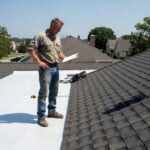
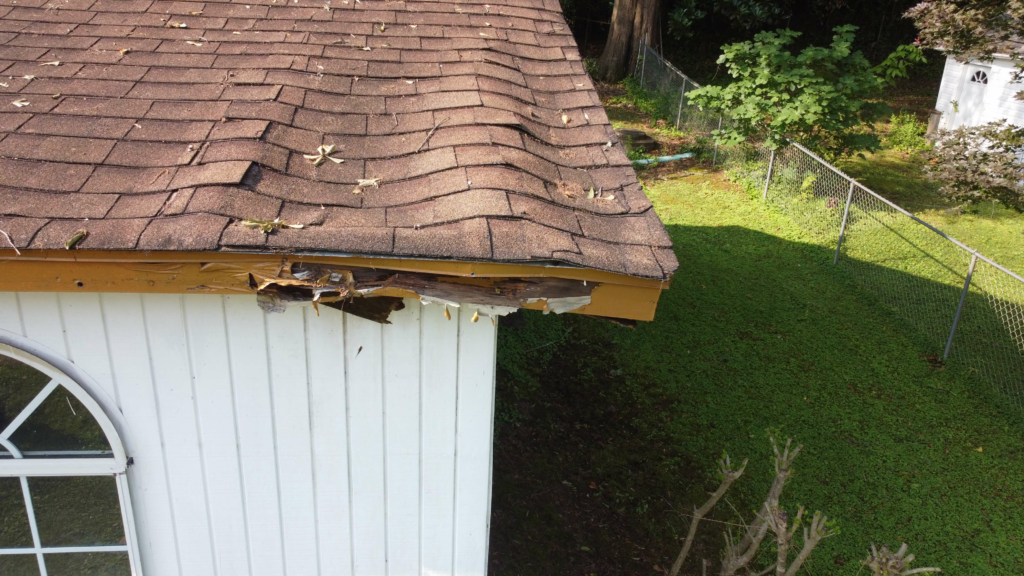
As the crisp air of fall sets in over Coraopolis, it’s essential for homeowners to turn a vigilant eye towards the state of their rooftops. Start your **storm preparedness for roofs** this fall season by looking for missing shingles, a common red flag indicating that your home may be vulnerable to the elements. When shingles are absent, your roof’s underlayment is exposed, leading to a higher risk of water infiltration and subsequent damage. A thorough inspection will reveal these obvious signs, but also look for subtler hints like curling or cracking, which may compromise your roof’s structural integrity if left unattended.
The imminent fall storms necessitate a review of not just the shingles, but the gutters and drainage systems that are your home’s first line of defense against water damage. **Gutters clogged** with leaves and debris can lead to water overflow, saturating the soil around your home’s foundation and potentially leading to basement flooding. Pay special attention to the downspouts as well; ensuring they direct water away from your house is crucial for preventing costly foundation issues. Proper maintenance now can save you the headache of complicated and expensive repairs later on.
However, your precautions shouldn’t stop at your roof’s surface. Overhanging branches pose a significant threat to your home’s exterior during stormy weather. A falling limb can not only damage the roofing materials but also potentially hurt someone. Assess the trees surrounding your property and **trim any overhanging branches** that could snap under the weight of heavy snow or high winds. Addressing these risks before the fall storms hit is imperative to safeguarding both your home and your family’s safety.
Securing and Sealing: A Critical Defense Against the Elements
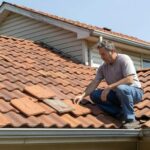
Ensuring that your roofing materials are securely fastened is a critical measure before the onset of the fall season’s severe weather. A roof check might reveal tiles or shingles that have become loose over time, which can be easily lifted by strong winds, leaving your home exposed to the elements. Fastening these down will not only bolster your roof against powerful gusts but will also prevent water from sneaking into your home through new openings. Take this opportunity to also inspect your roof flashings—the thin pieces of metal that direct water away from critical areas like chimneys and vents—as these are prime spots for potential leaks.
The assurance of a well-insulated attic is one not to be overlooked, as it plays a huge role in regulating your home’s temperature and preventing the buildup of ice dams. An attic that lacks proper insulation can lead to heat escaping, which, in turn, causes snow on the roof to melt and refreeze at the edges. To avoid the damage that ice dams can inflict, take steps to check and enhance your attic’s insulation. For more information on how to properly secure your roofing materials and ensure your attic insulation is up to par, consult our expert guide.
Step 1: Evaluate Your Roof’s Current Condition
Inspect your roof for signs of wear or damage. Look for missing, curled, or cracked shingles, and check for any potential leaks. Ensure your roof is ready to withstand harsh fall weather conditions.
Step 2: Clean Gutters and Downspouts
Remove leaves, twigs, and debris from gutters to prevent water buildup and ice damming during the fall season. Ensure downspouts are clear so that water can flow away from your home’s foundation.
Step 3: Trim Overhanging Tree Branches
Cut back any tree limbs hanging over your roof to reduce the risk of them falling on your home during a storm, potentially causing damage to your roof or endangering your family.
Step 4: Secure Loose Roofing Materials
Any loose shingles or tiles should be fastened securely to prevent them from being lifted or blown away by strong winds. This also helps prevent water intrusion during heavy rains.
Step 5: Check and Seal Roof Flashings
Ensure the flashing around roof features such as vents, chimneys, and skylights is sealed properly. Tight seals prevent water seepage, which is especially important during rainy fall weather.
Step 6: Insulate the Attic
Proper attic insulation helps maintain a consistent roof temperature, avoiding heat loss and reducing the chances of ice dams forming on the roof’s edge.
Step 7: Create an Emergency Roof Repair Kit
Gather essential materials like roofing tar, patching fabric, spare shingles, and a tarp. This kit can be a quick fix to prevent further damage until professional repairs can be done.
Step 8: Schedule a Professional Roof Inspection
A professional roof inspector can identify issues you may have missed and recommend necessary repairs to ensure your roof is ready to face the fall season’s challenges.
Introduction to Common DIY Roofing Mistakes
Preparing your roof for the fall season is crucial, and while DIY maintenance can seem cost-effective, it’s rife with potential for error. These blunders can not only lead to additional costs but also compromise the safety of your structure. Becoming aware of the typical missteps in roof preparation can save Coraopolis homeowners from future headaches and wallet-ache.
Common Mistakes to Avoid in DIY Roof Storm Preparedness
Mistake 1: Neglecting Regular Roof Inspections
Many homeowners wait for visible signs of damage before inspecting their roof, which often means that minor issues have escalated into major problems. Regular inspections, ideally twice a year, can prevent this delay in identification and repair.
Mistake 2: Improper Cleaning of Gutters and Downspouts
A frequent oversight is the improper cleaning of gutters or ignoring them altogether. This can lead to clogs that force water back onto the roof, causing leaks and damage that could have been easily avoided with proper and thorough maintenance.
Mistake 3: Overlooking the Trimming of Overhanging tree Branches
It’s often missed, but failing to trim branches can lead to them snapping and falling onto your roof during a storm, creating immediate and costly damage. This preventative measure is simple but highly effective in reducing risk.
Mistake 4: Overlooking Loose Roofing Materials
In the flurry of other prep work, it’s all too easy to overlook loose shingles or tiles. Not securing these elements can leave your roof vulnerable to wind uplift and water intrusion, which is far costlier to mend post-storm.
Mistake 5: Poorly Sealed Roof Flashings
Overlooking the sealing of flashings around roof features is a common error. Properly checked and sealed flashings are your home’s defense against water penetration and leaks.
Mistake 6: Inattention to Attic Insulation
Homeowners often neglect attic insulation when preparing for storms, unaware that it can prevent ice dams and help maintain a stable roof temperature, all of which are critical in stormy weather.
Mistake 7: Not Having an Emergency Roof Repair Kit
Failing to gather an emergency repair kit leaves homeowners unprepared for quick fixes when damage occurs. Having materials on hand can be the difference between a minor repair and a much larger issue.
Mistake 8: Skipping Professional Roof Inspections
DIYers often underestimate the value of a professional roof inspection, missing out on the expertise that can detect not-so-obvious problems. A professional eye is indispensable for a thorough roofing evaluation before storm season.
Emergency Preparedness: Your Roof Repair Kit
When the fall season’s storms are on the horizon, having an emergency roof repair kit can be the difference between minor damage and a major disaster. This kit should contain essentials like roofing tar, patching fabric, spare shingles, and a sturdy tarp to provide temporary cover. Being prepared allows you to act swiftly to prevent or minimize water damage until you can obtain professional roof repair services.
The Final Check: Professional Roof Inspection
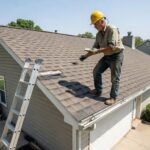
A detailed inspection performed by a roofing professional is the cornerstone of a thorough storm preparedness plan for your home. They bring expertise that can catch subtleties that the untrained eye might miss, such as minor cracks or wear that could lead to bigger problems. Scheduling routine inspections, especially before the harsher weather sets in, ensures your roof’s longevity and your home’s safety; find out more about securing a professional evaluation from Roof-Tastic & Beyond Exteriors.