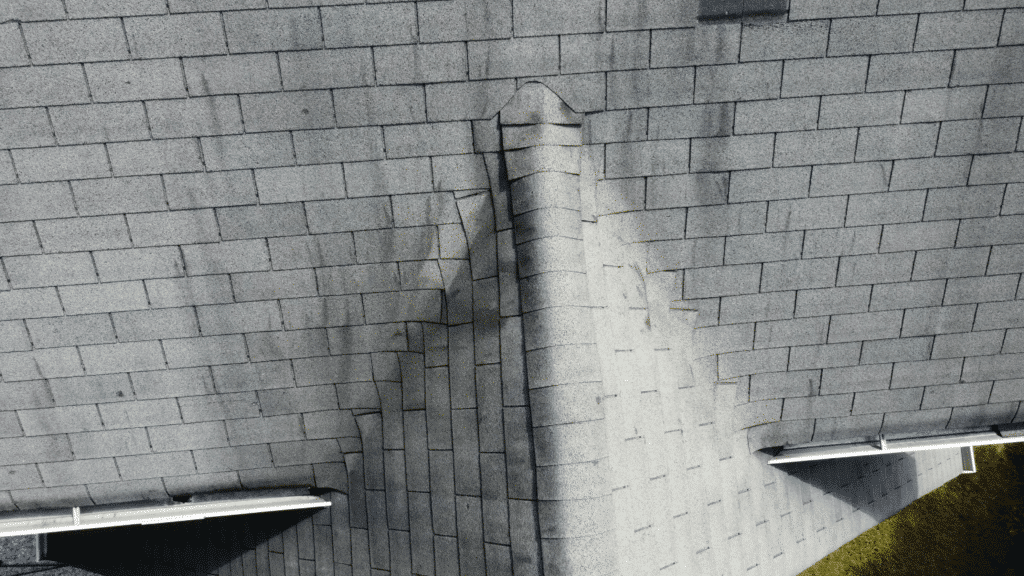
• Understand crucial signs of wear on coastal property roofs, including missing shingles and corrosion
• Learn about the best roofing materials and installation techniques to withstand harsh coastal elements
• Discover maintenance tips and local code insights to protect and prolong the life of your coastal roof
Understanding the Warning Signs on Coastal Roofs
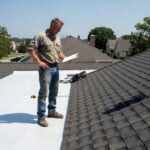
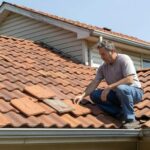
The relentless nature of coastal weather poses unique threats to roofing systems, making vigilant observation a homeowner’s first line of defense. Look for missing shingles, an early indicator of wear that can lead to more significant damage if unchecked. Cracks in your roof’s surface or in the seals around vents and chimneys can also be telltale signs of an aging roof at risk. Together, these deficiencies suggest that your property’s defenses may be compromised, and taking proactive steps is essential.
Another aspect critical to coastal property upkeep is recognizing the insidious effects of corrosion. Saltwater is notorious for its relentless assault on building materials, and evidence of its impact can manifest in the form of rust or pitting on metal components. Inspect for signs of saltwater corrosion, particularly on metal flashing, fasteners, and the roofing itself. Timely identification and action can prevent small issues from ballooning into costly repairs.
Wind is a formidable force that challenges coastal properties, leaving its mark on your roof’s integrity. It’s not uncommon to find loose or uneven roofing materials following heavy gales, pointing to weakened attachments and potential vulnerabilities. Watch for any signs that your roofing structure has been compromised by wind, such as lifting or bending, which should be addressed immediately to maintain a high level of roof resilience against future storms.
Preparing for Inspection and Material Selection
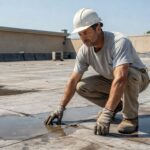
Performing a detailed evaluation of your roof’s current state is crucial before considering repairs or upgrades. Assessing your roof should include checking not only the surface but also the underlying structures for integrity. This thorough approach enables you to pinpoint the exact roofing solutions that align with the unique needs of your coastal property.
When it comes to selecting materials for your coastal home, knowledge is your best asset. Delve into research on coastal roofing materials known for their durability against harsh sea-side elements. Your findings will shape your decisions, leading to informed choices that balance cost-effectiveness with the specialized requirements of coastal roofing. The aim is to procure materials that provide the best combination of longevity and performance.
Finally, cannot be overstated the importance of ensuring your roof is fortified against the power of coastal winds. Inform yourself about the various wind resistance options available, such as specialized shingles designed to resist uplift and structural additions that increase stability. Aligning your roofing materials and installation methods with local wind resistance standards is non-negotiable for sustained safety and peace of mind.
Optimizing Roof Longevity Against Coastal Elements
Coastal homes require a vigilant approach to roofing, one that incorporates materials and technologies designed to combat the relentless coastal environment. Selecting materials like aluminum or copper offers robust protection against the corrosive nature of saltwater, effectively extending the roof’s life span. Furthermore, the application of protective coatings is a strategic move that acts as a barrier, shielding your roof from the harsh sun and salty breezes that could otherwise lead to rapid degradation. Making the right choices in materials and treatments is not only about repairs; it’s about future-proofing your coastal home.
Installation plays a pivotal role in the effectiveness of roofing solutions, particularly in regions battered by intense coastal climates. Professional installation ensures that every shingle, tile, or panel is not only aesthetically pleasing but also secured to stand up against heavy winds and driving rains. For those seeking expert roofing services, Roof-Tastic & Beyond Exteriors offers tailored solutions that are both practical and resilient. With a focus on quality and skillful execution, homeowners can trust in a roof that’s built to last through many seasons.
Proactive Measures in Roof Maintenance
After the installation of a roof suitable for coastal conditions, ongoing maintenance becomes the linchpin in preserving its condition. Establishing a thorough maintenance routine, including regular cleaning, ensures that salt and other residues won’t accumulate and begin the corrosion process. Inspections should be scheduled bi-annually, with particular attention paid after storm seasons when damage is most likely to have occurred. Consistent maintenance is not just about longevity; it’s a cost-effective strategy to prevent drastic repairs or premature replacements.
Aligning your roofing solutions with the regulations and requirements relevant to your locale is paramount to both compliance and performance. Ensure you consult local building codes and discuss with your insurer to ascertain that your roofing choices align with policy conditions. This due diligence can avert complications in the future and ensure you receive the support and coverage expected. Remember, your coastal property’s roof needs to stand not just against the elements, but also within the frameworks of regulatory and insurance expectations.
Step 1: Assess Your Coastal Property’s Roofing Needs
Before initiating any work, evaluate your roof’s current condition. Check for signs of wear like missing shingles, cracks, or corrosion that are expedited by coastal weather. This will help you understand which roofing solutions will best suit your property.
Step 2: Research Coastal Roofing Materials
Investigate materials that are designed for coastal homes. Materials like metal, slate, and certain synthetics offer high resistance to saltwater corrosion and are effective against heavy winds. Understanding the pros and cons of each material will guide your decision.
Step 3: Consider Wind Resistance
Roofs in coastal areas need to withstand high winds. Look into options like hurricane straps and clips that can reinforce your roofing structure. Ensure the material and installation techniques comply with the local wind resistance codes.
Step 4: Focus on Saltwater Corrosion Prevention
Saltwater can damage your roof over time. Select materials that are resistant to salt corrosion — aluminum and copper are popular for their durability against saltwater. Also, consider protective coatings that can be applied to further shield your roof.
Step 5: Opt for Professional Installation
For roofing solutions in coastal properties, it’s imperative to hire a professional with experience in the specific challenges of coastal roofing. They can ensure proper installation, which is crucial to withstand the coastal elements.
Step 6: Regular Maintenance and Inspection
Set up a regular maintenance schedule to clean and inspect the roof, which helps prevent the buildup of salt and debris that can lead to corrosion or damage. Address small issues promptly to avoid larger, costlier problems down the line.
Step 7: Update Your Roofing Insulation
Proper insulation and ventilation are important in maintaining the lifespan of your coastal roof. Ensure that your insulation is capable of handling the high moisture levels typical in coastal areas.
Step 8: Consult Local Building Codes and Insurance Requirements
Prior to making decisions, it’s important to check your local building codes as they may have specific requirements for coastal properties, and ensure that your roofing choices are aligned with your insurance coverage to protect your investment.
Introduction to Common DIY Roofing Mistakes
While the idea of fixing or updating your coastal property’s roof might seem like a skillful adventure, it’s rife with potential pitfalls. Not all roofing jobs are suited for the enthusiastic DIYer, and without the right expertise, you could be setting the stage for more significant problems. It’s crucial to understand where these well-meant efforts can go awry to avoid common mistakes that could compromise your roofing investment.
Common Mistakes to Avoid in Coastal Roofing
Mistake 1: Neglecting a Thorough Roof Inspection
Before embarking on any roofing project, a detailed inspection is paramount. Failure to properly assess the condition of your roof can lead to overlooking critical issues, such as subtle signs of corrosion or structural damage caused by coastal weather. Prevent this by methodically checking every part of your roof and considering a professional opinion to confirm your findings.
Mistake 2: Choosing the Wrong Roofing Materials
Selecting materials without understanding their suitability for coastal climates can lead to premature wear and failure. Many DIYers pick materials based on aesthetics or cost alone, without considering factors like wind resistance and susceptibility to saltwater corrosion. To prevent this, invest time in researching and selecting materials specifically designed for coastal properties, prioritizing durability over other features.
Mistake 3: Inadequate Windproofing Measures
In coastal zones, ensuring your roof can withstand high winds is critical. A common error is failing to install or improperly installing wind mitigation solutions like hurricane straps, which can result in extensive damage during storms. Prevent this by following local building codes for wind resistance and seeking professional help for secure installation.
Mistake 4: Overlooking Saltwater Corrosion Prevention
Saltwater can wreak havoc on roofing materials if not properly managed. A frequent mistake is not applying or incorrectly applying protective coatings, which leads to accelerated corrosion. To avoid this, ensure that your chosen materials are innately resistant to saltwater and that any additional protective coatings are applied consistently and per product instructions.
Mistake 5: DIY Installation Despite Complexity
Roofing installation is complex and often beyond the capability of a DIY approach, particularly for coastal homes with specific needs. Misalignment, improper fastening, and inadequate sealing are just a few errors that can occur. To mitigate this, consider enlisting experienced professionals who are familiar with the challenges of coastal roofing.
Mistake 6: Sporadic Maintenance Post-Installation
Once a roof is in place, regular maintenance is often undervalued, leading to a build-up of issues that can escalate quickly. DIY enthusiasts sometimes make the mistake of reactive rather than proactive care. Prevent this by establishing a consistent maintenance schedule that involves cleaning, inspection, and immediate repair of minor damage.
Mistake 7: Ignoring Insulation and Ventilation Requirement
Proper insulation and ventilation are key to preventing moisture retention and ensuring the longevity of your roof, particularly in humid coastal environments. Many overlook the need for specialized insulation types and adequate ventilation systems. To sidestep this issue, updated insulation should be planned to meet the demands of a coastal climate, ensuring a dry and damage-free roofing structure.
Mistake 8: Disregarding Local Building Codes and Insurance Policies
One of the gravest mistakes is to proceed without adequate knowledge of local regulations and insurance requirements. Improperly executed work can lead to non-complying structures that are not only unsafe but may also not be covered by insurance in the event of damage. Always consult and adhere to building codes and double-check insurance policies to ensure that your roofing project is protected.
Insulation and Ventilation: Key to Coastal Roofing
High moisture and salt air, common to coastal regions, require that roofs have adequate insulation and ventilation to prevent degradation. Properly installed insulation helps regulate temperature and prevents the buildup of moisture that can lead to mold and structural damage. Ventilation systems are equally important as they allow air to circulate, preventing the dampness that can cause rot and compromising the integrity of roofing materials.
Staying Ahead with Regular Roofing Inspections
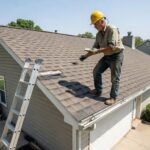
To ensure your coastal home’s roof remains in peak condition, enlisting the services of a professional for a comprehensive assessment is crucial. Regular inspections can uncover potential issues early, allowing for timely intervention and avoiding more significant repairs down the road. For those who want to ensure their roof is inspected by seasoned professionals, consider scheduling an appointment with Roof-Tastic & Beyond Exteriors for a thorough evaluation.