
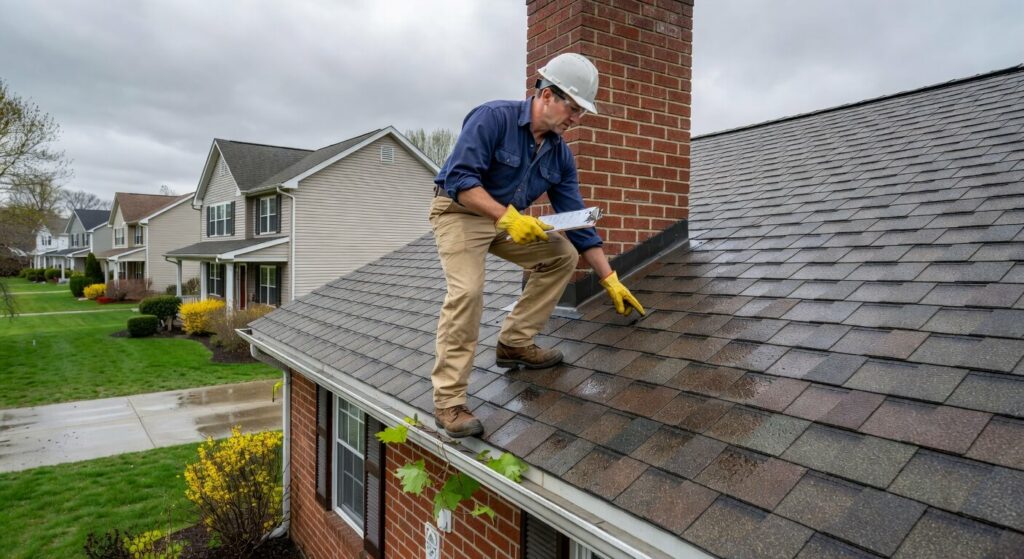
• Check for early roof damage before it turns into costly leaks or interior water stains.
• Focus on shingles, flashing, gutters, and attic signs to catch spring issues fast.
• Use simple roof maintenance steps to protect your home and stay ahead of bad weather.
Why Spring Roof Care Matters
Spring in Upper Saint Clair can put a lot of stress on a roof that has already been through winter weather. Small problems that started months ago can turn into leaks, loose shingles, or clogged drainage when the rain picks up. That is why Roof Maintenance Expert Tips matter before minor wear becomes a costly repair.
We often see homeowners wait until water spots appear inside the home before checking the roof. By that point, the damage may already be spreading under the surface and into the decking or insulation. A quick look from the outside is not always enough, which is why a careful roof check can save time and stress.
Our team at Roof-Tastic & Beyond Exteriors knows how quickly spring weather can reveal hidden issues. Heavy rain, wind, and changing temperatures can all expose weak spots that were easy to miss in colder months. If you want to stay ahead of problems, it helps to start with a trusted inspection at our roof inspection page before the season moves forward.
How We Keep Roofs Ready
A strong roof care plan starts with looking at the parts that handle water first. Shingles, flashing, gutters, and downspouts all work together, and if one part fails, the others take on extra pressure. That is why routine maintenance is one of the best ways to protect a home in spring.
We also know that not every issue is easy to spot from the ground. Loose granules, lifted edges, staining, and bent drainage parts can point to trouble even when the roof still looks fine at a glance. Paying attention to these early warning signs gives homeowners a better chance to act before damage spreads deeper into the structure.
For homes in Upper Saint Clair, spring is a smart time to clean away winter buildup and check for weather-related wear. Leaves, twigs, and debris can block runoff and make water sit where it should not. When needed, our gutter and downspout support at our gutter and downspout services can help keep water moving the right way.
Tips from the Pros
🔎 Tip 1: Check for Shingle Changes
Look for curling, cracking, or missing shingles after winter ends. These are early signs that your roof may need attention before spring rain makes the problem worse.
🌧️ Tip 2: Watch for Water Stains Inside
Dark spots on ceilings or walls can mean moisture is getting in from above. Even small stains should be checked quickly because roof leaks often spread behind the surface.
🧹 Tip 3: Clear Off Roof Debris
Leaves, sticks, and dirt can trap moisture and shorten the life of roofing materials. A clean roof drains better and is less likely to develop weak spots.
🛠️ Tip 4: Keep Gutters Free Flowing
Clogged gutters can push water back toward the roof edge and fascia. Regular cleaning helps prevent overflow and reduces the chance of rot or leaks.
📋 Tip 5: Look at Flashing Closely
Flashing around chimneys, vents, and valleys should sit tight and flat. If it is loose or damaged, water can slip into areas that are hard to see from outside.
🌡️ Tip 6: Check After Big Temperature Swings
Warm days and cool nights can cause roofing materials to expand and contract. That movement can expose weak seals and small gaps that need repair.
👀 Tip 7: Pay Attention to Attic Conditions
A hot, damp, or musty attic can signal poor roof ventilation or hidden moisture. Catching that early can help protect both the roof and the home’s structure.
🏠 Tip 8: Schedule a Seasonal Roof Review
A spring roof check helps catch damage left behind by winter storms. Using Roof Maintenance Expert Tips at the right time can keep small issues from becoming bigger ones.
Frequently Asked Questions
How often should a roof be checked in spring?
A roof should be checked at least once in spring after winter weather has passed. This helps catch shingle damage, flashing issues, and drainage problems before heavier rain causes more trouble.
What are the most common spring roof problems?
The most common spring roof problems are missing shingles, clogged gutters, loose flashing, and water damage. These issues often show up after snow, wind, and freeze-thaw changes have worn down the roof.
Can I inspect my roof from the ground?
Yes, you can spot some roof problems from the ground, but not all of them. A full roof check usually needs a closer look because small cracks, lifted flashing, and hidden wear are easy to miss.
Why are Roof Maintenance Expert Tips useful for homeowners?
Roof Maintenance Expert Tips are useful because they help homeowners catch damage early and avoid bigger repairs. They also make it easier to keep the roof ready for spring rain and changing weather.
When should I call a roofing professional?
You should call a roofing professional if you see leaks, missing shingles, sagging areas, or signs of moisture inside the home. A fast response can limit damage and help protect the roof before the problem grows.
Spring Roof Care Starts Here
Spring is the right time to take roof maintenance seriously, especially after a long winter in Upper Saint Clair. Small warning signs can turn into larger repairs if they are ignored, but regular attention helps keep your home better protected. We focus on practical steps that make sense for real homes and real weather.
When you stay ahead of roof wear, you give your home a better chance of handling rain, wind, and changing temperatures. That means fewer surprises and more peace of mind as the season moves on. If you want to keep up with Roof-Tastic & Beyond Exteriors, you can follow us on Instagram for more updates.