• Why fast action matters: Hurricane roof damage can spread quickly, so early photos, notes, and claim filing help protect the home and support a stronger insurance case.
• What to do step by step: The blog explains how to stay safe, document damage, review the policy, report the claim, and wait for approval before major repairs.
• Common mistakes to avoid: Waiting too long, missing records, and starting permanent repairs too soon can weaken the claim and slow the repair process.
Why Fast Action Matters After Roof Storm Damage
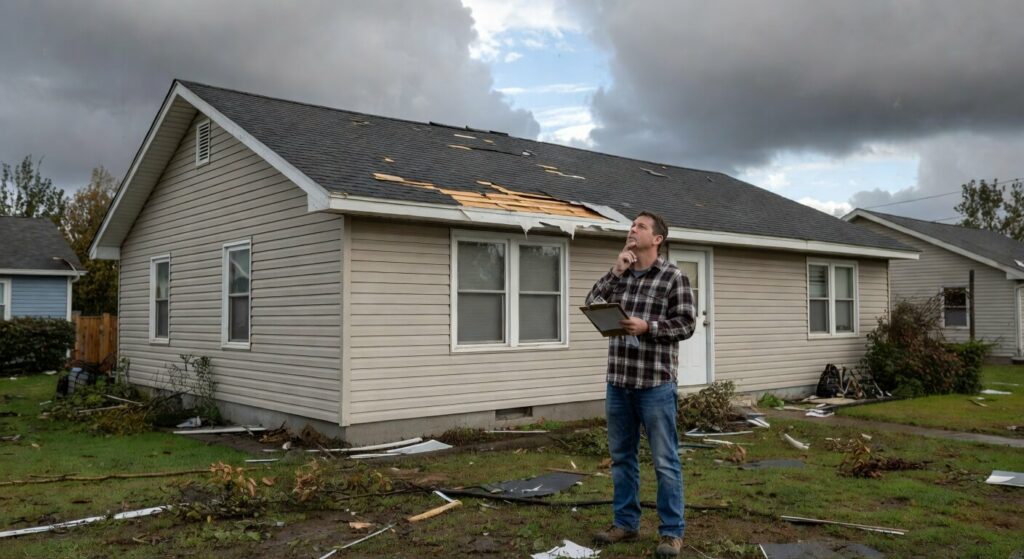
When a hurricane hits, roof damage can leave our home exposed in a matter of minutes. Water can slip under loose shingles, soak insulation, and spread damage before we even notice it. Acting fast gives us a better chance to protect the structure and keep the problem from growing.
For many homeowners, roof insurance claims for hurricane damage can feel stressful because the process often starts while cleanup is still underway. The sooner we begin, the easier it is to document damage and support the claim with clear details. If we wait too long, small issues can turn into bigger repairs and harder questions from the insurer.
We also need to remember that storm damage is not always obvious from the ground. Missing shingles, lifted flashing, and hidden leaks may not show up right away, which is why a careful check matters. When we move quickly and stay organized, we put ourselves in a much stronger position to handle the claim the right way.
How We Handle Storm Claims the Right Way
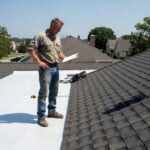
A strong claim starts with proof, and that means careful photos, notes, and a full look at the roof. We want to record damage as soon as it is safe, because weather and cleanup can quickly change what we see. In some cases, a trained roof inspection from our inspection team can help us spot damage that may be easy to miss.
It also helps to understand that insurance claims move better when the details are clear and consistent. We should match what we see on the roof with what we tell the carrier, including signs like broken shingles, damaged vents, or water staining inside the home. A steady process keeps the claim focused on facts and helps avoid delays that can slow repairs.
Step-by-Step Guide
🛑 Step 1: Make Sure the Area Is Safe
Before we check the roof, we need to make sure there is no active danger from downed lines, falling debris, or standing water. Safety comes first because storm damage can create hidden risks around the home and yard.
📸 Step 2: Take Clear Photos and Notes
We should document every visible sign of damage from several angles. Good records help show what happened before repairs begin and give the claim a stronger foundation.
🏠 Step 3: Check the Roof From the Ground
A ground-level look can reveal missing shingles, bent gutters, or debris impact without putting anyone at risk. This step matters because not every problem requires climbing up right away.
🧾 Step 4: Review the Insurance Policy
We need to look at the policy details so we understand what is covered and what may require extra proof. Knowing the rules early helps us avoid confusion when speaking with the insurance company.
📞 Step 5: Report the Claim Quickly
Once we have the basic facts, we should contact the insurer and start the claim process. Fast reporting matters because insurance companies often want timely notice after storm damage.
🔍 Step 6: Schedule a Professional Roof Inspection
A professional can check for damage that may not be obvious, including lifted materials and hidden leaks. This helps us back up the claim with a more accurate picture of the roof’s condition.
🗂️ Step 7: Keep All Claim Records Together
We should save emails, estimates, inspection notes, and any repair updates in one place. Organized records make it easier to answer questions and keep the process moving.
🔨 Step 8: Complete Repairs After Approval
We should wait for claim approval before starting major permanent repairs unless emergency protection is needed. This protects the claim and makes sure the work follows the insurer’s process.
Common Mistakes to Avoid
Many homeowners try to handle hurricane roof damage too quickly or without enough documentation. That can lead to missing details, delayed claims, or repair issues later on. The best way to avoid trouble is to follow each step carefully and keep everything organized.
⚠️ Mistake 1: Waiting Too Long to Report Damage
This happens when people assume the damage is minor or plan to deal with it later. Delays can make the damage harder to prove and may slow the claim process, so it is better to report it as soon as possible.
⚠️ Mistake 2: Skipping Photos and Notes
Some homeowners forget to document damage before cleanup starts. Without clear proof, it becomes harder to show what the storm caused, so we should always gather photos and written notes right away.
⚠️ Mistake 3: Climbing Up Without the Right Safety Check
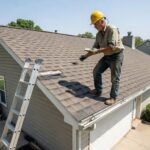
This mistake usually happens when someone wants a fast answer and decides to inspect the roof alone. Storm-damaged roofs can be unsafe, so we should stay on the ground unless a trained professional is handling the inspection.
⚠️ Mistake 4: Starting Major Repairs Too Soon
People often want to fix the problem fast and begin work before the insurer reviews the damage. That can create claim problems, so we should wait for approval unless emergency tarping or temporary protection is needed.
⚠️ Mistake 5: Forgetting to Save Claim Records
This happens when emails, estimates, and inspection details are scattered or lost. Keeping everything in one place helps us answer questions, track progress, and avoid confusion during the claim.
Frequently Asked Questions
How soon should we file roof insurance claims for hurricane damage?
Yes, we should file as soon as it is safe to do so after the storm. Quick reporting helps preserve evidence and keeps the claim moving while the damage is still fresh and easy to document.
What should we document before filing a roof claim?
Yes, we should document all visible roof damage, interior water spots, and any debris impact around the home. Clear photos and notes make roof insurance claims for hurricane damage much easier to support.
Can hidden roof damage be part of a hurricane claim?
Yes, hidden damage can still be part of the claim if it is tied to the storm. That is why a full inspection matters, since some leaks and lifted materials are not easy to see from the ground.
Should we repair the roof before the insurance adjuster visits?
No, we should not make permanent repairs before the adjuster sees the damage unless emergency protection is needed. Temporary steps like tarping are usually fine, but major repairs can make it harder to show what the storm caused.
What makes a roof claim stronger after a hurricane?
Yes, a strong claim depends on fast reporting, solid photos, and a careful inspection. When we keep our records organized and stay consistent with the facts, the insurer has a clearer picture of the loss.
Final Thoughts on Handling Storm Damage
Hurricane roof damage can move fast, so our response should move fast too. When we document the damage, review the policy, and follow each step in order, we give the claim a much better chance of going smoothly. That steady approach also helps protect the home from further problems while the process is underway.
The main goal is simple: stay safe, stay organized, and act early. Roof insurance claims for hurricane damage are easier to manage when we treat them like a clear, step-by-step process instead of guessing our way through. For more updates and project examples, follow us on social media.