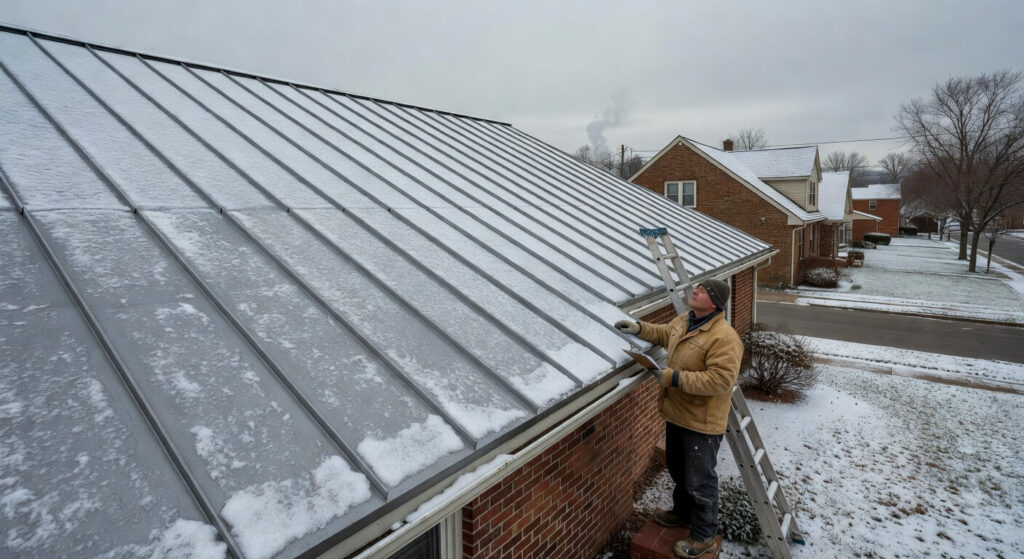
• Metal roofing pros and cons matter most when you are comparing how a roof performs in Pittsburgh winters, since snow, ice, and freeze-thaw cycles can affect long-term value.
• The best way to judge a metal roof is to look at the full system, including slope, underlayment, flashing, maintenance needs, and total cost over time.
• Homeowners can avoid costly mistakes by checking roof condition early, comparing options carefully, and getting a professional review before making a final decision.
Why Metal Roofing Matters in Winter
Winter in Pittsburgh can be tough on a roof, and small issues often turn into bigger ones fast. Snow, ice, wind, and freeze-thaw cycles all put extra strain on aging systems. If you are weighing Metal roofing pros and cons, it helps to know how the season can change the decision.
A roof that performs well in cold weather can make a real difference in comfort and long-term cost. Metal roofing is often chosen because it sheds snow more easily and handles harsh weather better than many other options. Still, every roof type has tradeoffs, so the details matter before you commit.
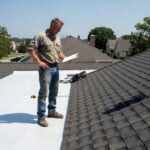
We often see homeowners wait until leaks, drafts, or surface wear become obvious before they act. That delay can lead to bigger repair bills and more stress during winter storms. If you are trying to make a smart choice now, our roof inspection services can help you spot the warning signs early.
What Homeowners Should Weigh First
When we talk about Metal roofing pros and cons, we start with how the roof handles weather, noise, cost, and maintenance. Metal roofing can last a long time and hold up well in severe conditions, but the upfront price is often higher than some other materials. In Pittsburgh, that tradeoff matters because winter weather can be hard on a roof that is already weak.
Another point to consider is how the roof is built and installed. Proper underlayment, flashing, and fastening matter just as much as the metal panels themselves. When those parts are done right, the roof is more likely to perform well through snow, ice, and heavy rain.
How to Compare Metal Roofing Options
🔍 Step 1: Check your current roof condition
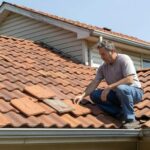
Look for curling shingles, leaks, rust, soft spots, or past patch jobs. These signs help you decide if you need a repair, a full replacement, or a closer look before choosing metal roofing.
📏 Step 2: Measure your roof’s slope and shape
Roof pitch affects how well snow and water move off the surface. Steeper roofs usually shed snow faster, while complex roof shapes may need more careful planning.
🧊 Step 3: Think about winter weather demands
In cold climates, roofing materials face snow loads, ice buildup, and repeated freezing and thawing. Metal can handle these conditions well when the system is installed the right way.
🔧 Step 4: Review the underlayment and flashing
These parts help keep water out around seams, valleys, and roof edges. If they are weak, even a strong roof covering can still develop leaks.
💰 Step 5: Compare upfront cost with long-term value
Metal roofing usually costs more at the start than basic asphalt shingles. The payoff often comes from longer service life and less frequent replacement over time.
🔊 Step 6: Consider noise and comfort
Some homeowners worry about rain or hail sounding louder on metal. With the right decking and insulation, that noise can be reduced a great deal.
🧹 Step 7: Plan for maintenance
Metal roofs still need routine checks for loose fasteners, debris, and seal wear. Regular care helps the roof keep performing through winter and beyond.
👷 Step 8: Get a professional opinion
A trained roofer can spot problems that are easy to miss from the ground. That advice helps you choose the best option for your home and your budget.
Common DIY Mistakes to Avoid
Many homeowners try to handle roof projects on their own, but small errors can lead to bigger problems in winter. That is especially true when comparing roofing materials and trying to judge long-term value from a quick look. The mistakes below are some of the most common ones we see during roof evaluations.
- ⚠️ Mistake 1: Ignoring hidden damage
Some people look only at the roof surface and miss soft decking, failing flashing, or moisture inside the attic. This happens because the damage is not always easy to spot from outside, so it gets overlooked. To prevent it, inspect both the roof and the areas beneath it before making any decision. - ⚠️ Mistake 2: Choosing based on price alone
A lower upfront cost can seem like the easiest answer, but it does not always mean better value. Homeowners often focus on the first bill and forget about durability, maintenance, and winter performance. To avoid this, compare how long each roofing option is likely to last and how much upkeep it may need. - ⚠️ Mistake 3: Overlooking roof slope and shape
Not every roof design works the same way with metal panels. This mistake often happens when people assume any material will fit any home without special planning. Prevent it by checking the roof pitch and layout before choosing a system. - ⚠️ Mistake 4: Forgetting about underlayment
The visible roof is only one part of the system, and the layers underneath matter a lot. DIY projects often skip this step because the underlayment is not as exciting as the finished look. To prevent problems, make sure the full roof system is considered, not just the outer surface. - ⚠️ Mistake 5: Skipping a professional review
Some homeowners try to decide everything on their own and miss important signs of wear or weak spots. This usually happens because they want to save time or avoid calling for help. The best way to prevent mistakes is to have an expert review the roof before major work begins.
Frequently Asked Questions
Is metal roofing a good choice for Pittsburgh winters?
Yes, metal roofing can be a strong choice for Pittsburgh winters. It handles snow, ice, and changing temperatures well when installed correctly, which makes it a practical option for cold-weather homes.
What are the main metal roofing pros and cons?
Yes, the main benefits are long life, strong weather resistance, and good snow shedding. The main drawbacks are the higher upfront cost and the need for proper installation to get the best performance.
Does metal roofing make a house colder in winter?
No, metal roofing does not make a house colder by itself. A roof’s insulation and ventilation are what control indoor comfort, so the roof system matters more than the outer material alone.
How long does a metal roof usually last?
Yes, a metal roof can last for many decades when it is installed and maintained well. The exact lifespan depends on the material, weather exposure, and the quality of the roof system underneath.
Is metal roofing noisy in heavy rain or snow?
No, it does not have to be noisy. With proper decking, underlayment, and insulation, sound can be reduced so rain and snow are much less noticeable inside the home.
Final Thoughts on Winter Roof Choices
Choosing the right roof is not just about looks, especially in a place like Pittsburgh where winter weather can be rough. When you understand the real metal roofing pros and cons, it becomes easier to compare comfort, cost, and long-term value. A careful choice now can help you avoid bigger problems later.
We believe the best results come from looking at the whole roof system, not just the surface material. If you want to stay informed about roofing tips and home exterior care, follow us on Instagram.