• Understand the necessity of disaster recovery planning for roofs to protect your home against weather extremes
• Gain expert insights on roof inspection frequency and first steps for post-disaster action
• Learn the importance of professional assessments, strategic maintenance, and efficient insurance claims filing
Ensuring Safety and Efficiency in Emergency Repairs
When disaster strikes, it is crucial to address any damage to your roof with the utmost urgency; however, safety should always be the primary concern. Homeowners might be tempted to undertake repairs themselves in the wake of a storm, but the risks usually outweigh the benefits. Not only does this approach pose significant safety hazards, but it can also compromise the quality of the work. By enlisting the help of professionals immediately, you ensure that repairs are completed efficiently and to a high standard. Prioritizing professional assessment and repair services plays a pivotal role in restoring your home to safety and comfort swiftly.
Filing Insurance Claims with Confidence
Dealing with insurance claims can be a daunting process, especially when the need arises unexpectedly after a roof-related disaster. Knowledge is power in these situations, and understanding the details of your policy before disaster strikes can greatly ease the process. It’s important to keep thorough records and documentation of all maintenance and inspections, as this can significantly strengthen your claims. Engaging experts who can properly validate the extent of the damage can make all the difference in a favorable resolution. For those looking to navigate insurance claims with confidence, Roof-Tastic’s roofing replacement team offers not only repair services but insurance claim assistance.
Combining Maintenance with Foresight for Long-term Roof Health
Combining regular maintenance with strategic disaster planning is the most effective way to ensure the long-term health and integrity of your roof. The closing advice we offer is to never underestimate the importance of consistent care and the value of an expert’s touch. Even when immediate dangers are not looming, maintenance and inspections are what keep a roof ready for any eventuality. Integrating all components, from surface materials to gutter and downspout health, is key to a holistic approach to roof disaster preparedness. Taking action today can prevent the panic of tomorrow, and the team at Roof-Tastic & Beyond Exteriors is here to guide you every step of the way.
Understanding the Need for Urgent Roof Protection
When the sky darkens and the winds pick up, your home’s first line of defense is the roof above your head. The thought of a weather disaster striking and damaging your home can be deeply unsettling. That’s why understanding and implementing disaster recovery planning for roofs is not just advisable; it’s essential to protect your family and your investments. Immediate action can be the difference between minimal repairs and devastating loss. This urgent need anchors the importance of foresight in roofing care and disaster planning.
Emotional and Financial Repercussions of Roof Damage
The aftermath of a storm can leave homeowners with a sense of helplessness, watching as water seeps through ceilings, walls, and precious belongings. The burden of financial costs to repair and replace can quickly accumulate, often extending beyond the roof itself. It’s at this juncture, amid the stress and the strain, that the value of prior planning becomes evident. By preparing for disasters before they strike, you secure not only your home but also your financial well-being. Thus, effective disaster recovery plans are not just protective measures but essential financial strategies.
The Importance of Regular Roof Maintenance
Ironically, the roof, as an out-of-sight platform, often falls out of mind for regular maintenance checks. Yet, a routinely inspected roof can save homeowners from a world of unforeseen disaster-related troubles. These insights come to light when answering a common concern: how frequent should roof inspections be? Bi-annual inspections, especially before severe weather seasons, can pinpoint vulnerabilities effectively, turning potential disaster into a narrative of well-managed home stewardship. Coupling this approach with expert-guided disaster recovery planning can significantly mitigate the risks and impacts of natural calamities.
Ensuring Safety and Efficiency in Emergency Repairs
When disaster strikes, it is crucial to address any damage to your roof with the utmost urgency; however, safety should always be the primary concern. Homeowners might be tempted to undertake repairs themselves in the wake of a storm, but the risks usually outweigh the benefits. Not only does this approach pose significant safety hazards, but it can also compromise the quality of the work. By enlisting the help of professionals immediately, you ensure that repairs are completed efficiently and to a high standard. Prioritizing professional assessment and repair services plays a pivotal role in restoring your home to safety and comfort swiftly.
Filing Insurance Claims with Confidence
Dealing with insurance claims can be a daunting process, especially when the need arises unexpectedly after a roof-related disaster. Knowledge is power in these situations, and understanding the details of your policy before disaster strikes can greatly ease the process. It’s important to keep thorough records and documentation of all maintenance and inspections, as this can significantly strengthen your claims. Engaging experts who can properly validate the extent of the damage can make all the difference in a favorable resolution. For those looking to navigate insurance claims with confidence, Roof-Tastic’s roofing replacement team offers not only repair services but insurance claim assistance.
Combining Maintenance with Foresight for Long-term Roof Health
Combining regular maintenance with strategic disaster planning is the most effective way to ensure the long-term health and integrity of your roof. The closing advice we offer is to never underestimate the importance of consistent care and the value of an expert’s touch. Even when immediate dangers are not looming, maintenance and inspections are what keep a roof ready for any eventuality. Integrating all components, from surface materials to gutter and downspout health, is key to a holistic approach to roof disaster preparedness. Taking action today can prevent the panic of tomorrow, and the team at Roof-Tastic & Beyond Exteriors is here to guide you every step of the way.
Insights From The Experts
Tip 1:
Ensure that your roof inspections are conducted bi-annually by professionals, particularly before and after severe weather seasons. Regular assessments help identify potential issues early, saving time and money on repairs.
Tip 2:
In the aftermath of a disaster, document all damages with photographs and detailed notes before starting clean-up. This documentation will be crucial for accurate insurance claims and professional evaluations.
Tip 3:
Be proactive about your roof’s maintenance; clear gutters, fix minor leaks, and replace damaged shingles promptly. Preventative care is the best line of defense against the unpredictability of natural disasters.
Tip 4:
For emergency roof repairs, always prioritize safety and call professionals if the damage is extensive or beyond your skillset. DIY repairs can be dangerous and potentially void warranties or insurance policies.
Tip 5:
Understand your roof insurance coverage in-depth and consult with your insurance agent to ensure you’re adequately covered for disaster situations. Staying informed helps streamline the claims process when you need it most.
Expert Answers to Your Roofing FAQs
How often should a roof be inspected for disaster preparedness?
To ensure your roof’s readiness for extreme weather, it’s advised to conduct inspections at least twice a year, particularly before and after seasons known for severe weather events.
What are the first steps to take for a roof after a natural disaster?
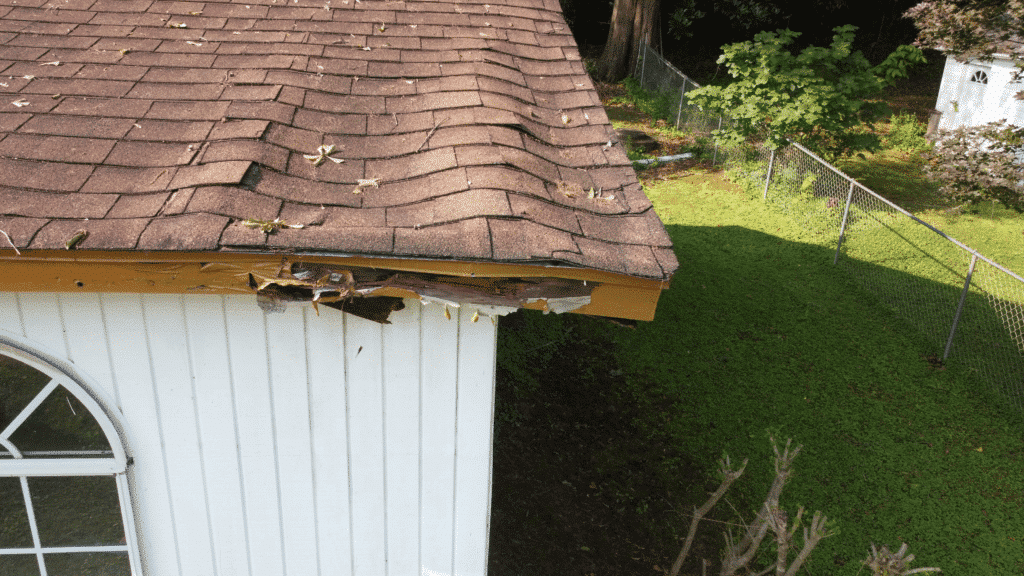
Immediately after a disaster, assess your roof for visible damage from the ground, document any signs with photographs, and contact a professional for a thorough inspection and safety check.
How can homeowners identify potential weaknesses in their roofing system?
Homeowners should look for signs of aging such as cracked, missing, or buckling shingles, clear gutters and downspouts regularly, and schedule professional inspections for an in-depth assessment.
Can emergency roof repairs be done DIY, or should professionals be called?
While minor repairs might be handled by the homeowner, emergency repairs should typically be conducted by professionals to ensure safety and the longevity of your roof.
What is the process for filing roof insurance claims after a disaster?
Start by reviewing your insurance policy, then document all damages with photos and detailed descriptions, and work with a licensed roofer to provide an estimate before filing the claim with your insurer.