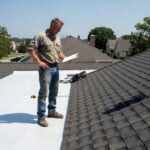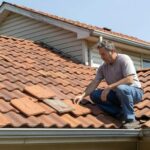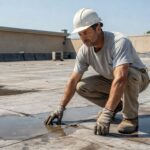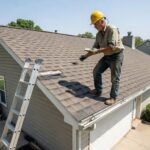
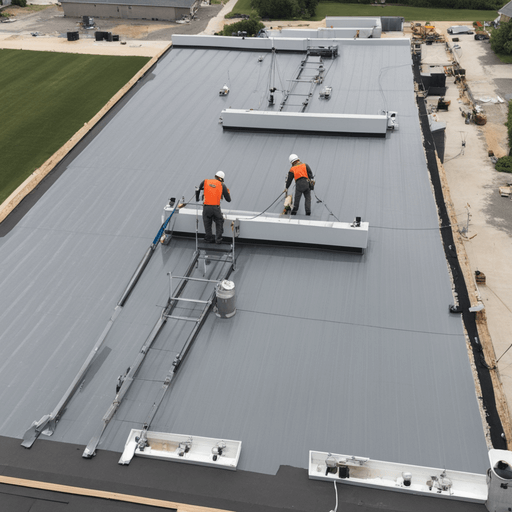
• Explore essential tips to prepare your commercial flat roof for winter, ensuring durability and protection against harsh weather conditions.
• Understand the importance of regular inspections, timely repairs, and the role of professional maintenance to extend your roof’s lifespan.
• Discover cost-effective strategies for winterizing your flat roof, including insulation improvements and drainage optimization for enhanced energy efficiency and water management.
Final Preparations for Winter Roof Resilience
As we wrap up our guide to preparing your commercial flat roof for winter, we must emphasize the value of long-term benefits over short-term fixes. Consistent maintenance, rather than emergency repairs when it’s already too late, will help ensure your roof can stand up to winter after winter. A roof that’s ready for the cold not only protects your physical assets but also your business operations from unexpected interruptions. Seeking professional assistance from Roof-Tastic & Beyond Exteriors means investing in peace of mind throughout the snow season. You’ll avoid the hassle and extra expense of addressing issues when your roof is already covered in snow.
The trust that comes from working with a knowledgeable and experienced roofing team cannot be overstated. Having a partner like Roof-Tastic & Beyond Exteriors by your side ensures that every aspect of your roof’s needs is met with the highest standards. They understand that each roof is unique and will provide tailored solutions to match the demands of your specific roofing system and the local climate. Through expert solutions, you’re not just preparing your roof for the coming winter; you’re setting a foundation for a reliable and durable roof year-round.
In closing, remember that the steps you take today to prepare your flat roof for winter will define how well your property stands up to seasonal stresses. Taking the time to conduct thorough inspections, proper insulation, and timely maintenance will pay dividends in the longevity and performance of your commercial roof. Ignoring these critical steps is not an option if you want to avoid the financial strain and operational setbacks of a winter roof failure. So take action now, consult with the experts, and move forward with confidence, knowing your business is well protected against whatever the winter skies may bring.
Winter Is Coming: Is Your Commercial Roof Ready?
The crisp air and changing leaves are telltale signs that winter is on its way to Sewickley and with it, the pressing need for businesses to turn their attention to the state of their commercial flat roofs. Ignoring the impending seasonal shift could lead to significant and costly damage, a risk that savvy business owners cannot afford to take. The concept of winter roof readiness is not just about immediate repairs; it encompasses a strategic approach to extend the life of your investment and safeguard your premises against the harsh elements to come.
Commercial flat roof winter readiness is more than a precaution; it’s a necessity. As temperatures drop, flat roofs are vulnerable to a slew of winter-related issues, such as snow accumulation and ice damming, which can severely affect their structural integrity. Furthermore, the weight of snow can reveal undetected weaknesses or exacerbate existing ones. Therefore, a thorough inspection should be top-of-mind for businesses, but often, the signs of a roof in distress are not apparent to the untrained eye. This is where the expertise of a dedicated roofing professional becomes invaluable.
The third paragraph will delve deeper into the risks posed by the winter season to untreated roofs, emphasizing the importance of taking proactive measures well in advance. Leveraging local insights about Sewickley’s weather patterns, this section will address common concerns about frost damage and the best time for roof evaluations. By highlighting proven maintenance strategies, the article will reinforce the critical nature of preparation, underscoring that timely interventions can prevent costly downtime and emergency repairs during the winter months.
Final Preparations for Winter Roof Resilience
As we wrap up our guide to preparing your commercial flat roof for winter, we must emphasize the value of long-term benefits over short-term fixes. Consistent maintenance, rather than emergency repairs when it’s already too late, will help ensure your roof can stand up to winter after winter. A roof that’s ready for the cold not only protects your physical assets but also your business operations from unexpected interruptions. Seeking professional assistance from Roof-Tastic & Beyond Exteriors means investing in peace of mind throughout the snow season. You’ll avoid the hassle and extra expense of addressing issues when your roof is already covered in snow.
The trust that comes from working with a knowledgeable and experienced roofing team cannot be overstated. Having a partner like Roof-Tastic & Beyond Exteriors by your side ensures that every aspect of your roof’s needs is met with the highest standards. They understand that each roof is unique and will provide tailored solutions to match the demands of your specific roofing system and the local climate. Through expert solutions, you’re not just preparing your roof for the coming winter; you’re setting a foundation for a reliable and durable roof year-round.
In closing, remember that the steps you take today to prepare your flat roof for winter will define how well your property stands up to seasonal stresses. Taking the time to conduct thorough inspections, proper insulation, and timely maintenance will pay dividends in the longevity and performance of your commercial roof. Ignoring these critical steps is not an option if you want to avoid the financial strain and operational setbacks of a winter roof failure. So take action now, consult with the experts, and move forward with confidence, knowing your business is well protected against whatever the winter skies may bring.
Pro-Approved Strategies for Flat Roof Winterization
Tip 1:
Ensure your flat roof’s drainage system is clear of debris and functioning properly. A blocked drainage system can lead to standing water, which can freeze and cause structural damage to the roof during winter.
Tip 2:
Inspect for any signs of wear or damage, such as cracks or blisters in the roofing material. Addressing these issues before winter can prevent water intrusion, which becomes more problematic when temperatures drop.
Tip 3:
Consider the installation of a waterproof membrane as a preventative measure against winter moisture penetration. This can be a key step in safeguarding the integrity of your commercial flat roof against harsh winter conditions.
Tip 4:
Check the roof’s insulation levels to ensure they meet the recommended standards. Proper insulation helps maintain consistent temperatures, reducing the risk of condensation and potential damage to the roof and building interior.
Tip 5:
Schedule a professional roof inspection to identify potential vulnerabilities. Professional roofers can offer tailored advice and services to fortify your roof against the specific winter challenges in Sewickley.
Expert Answers to Your Winter Roofing FAQs
How can I tell if my commercial flat roof is ready for winter?
A roof is winter-ready when it has no visible signs of damage, such as cracks or blisters, and the drainage system is clear. It’s best to have a professional assess insulation levels and the condition of the membrane too.
What maintenance steps are critical for flat roofs before the cold season?
Critical steps include cleaning gutters and downspouts, inspecting and repairing membrane damage, and ensuring proper insulation and ventilation to prevent ice dams.
Can insulation be added to an existing commercial flat roof to improve winter performance?
Yes, additional insulation can often be installed on existing flat roofs to enhance thermal performance and protect against winter’s harsh conditions.
What are the signs of winter damage to be aware of on a commercial flat roof?
Be vigilant for leaks, visible damage to the roofing membrane, increased energy costs (indicative of heat loss), and ponding water, which can freeze and expand.
How often should a commercial flat roof be inspected for winter readiness?
Your roof should be professionally inspected at least twice a year, with one inspection in the fall to prepare for winter and another in spring to assess any winter damage.