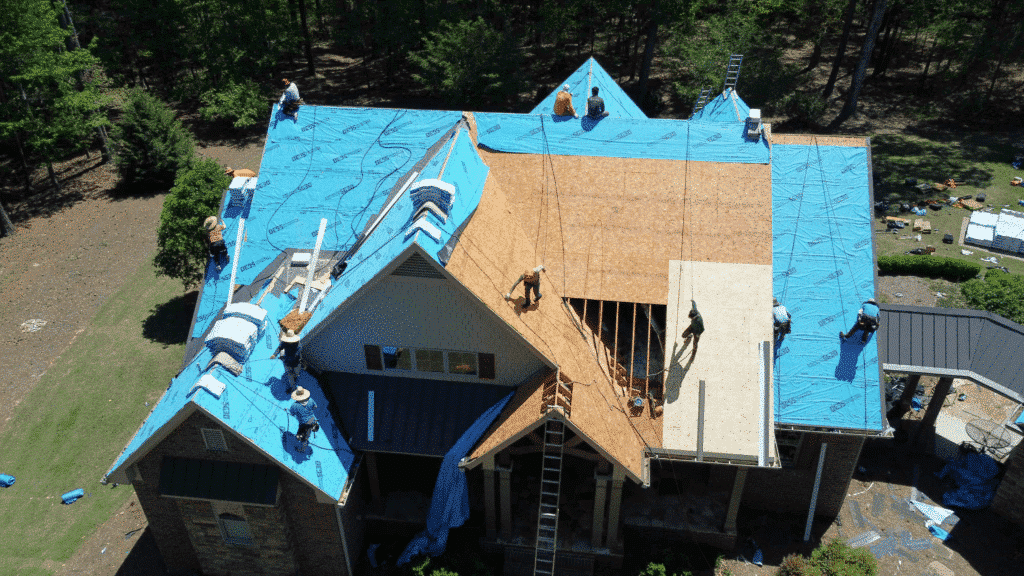
• Cold weather brings unique challenges to roof installation, including temperature-sensitive materials and potential safety hazards.
• Proper planning and employing seasoned professionals are essential for successful winter roof installations and avoiding costly setbacks.
• Understanding cold climate roofing requirements ensures long-term durability and performance, protecting your investment from winter’s extreme conditions.
Concluding Expert Recommendations
To ensure the longevity and efficacy of a cold weather roof installation, the selection of appropriate materials is crucial. It’s not merely about aesthetics; it’s about the protective qualities and durability of roofing components that can stand up to Pittsburgh’s rugged winters. The choice of insulation is just as important, with proper attic insulation forming a barrier against heat loss and the pitfalls of ice dam formation. Homeowners should consider the added financial benefit of energy savings over time, calculating not just the cost of installation but the long-term efficiency gains. For peace of mind, the involvement of professionals in both selection and installation cannot be overstated, as their expertise is indispensable in navigating these complex decisions.
Insulation and Ventilation: A Dual Approach
An effective strategy for preventing common issues like ice dams is the dual focus on adequate insulation and ventilation. These elements play a symbiotic role in roof health, managing the heat exchange that impacts snow melting and refreeze cycles. Upgraded insulation in your attic and along your roofing system ensures that warmth stays within your home, reducing the likelihood of ice dam formations at the roof’s edge–a frequent challenge in colder climates. Proper ventilation capably balances temperatures between your attic and the outdoors, mitigating the contrasting temperatures that contribute to ice dams. To understand the intricacies of these methods in the context of your specific roofing needs, explore our gutter and downspout solutions.
Building Trust with Roof-Tastic & Beyond Exteriors
In conclusion, overcoming the challenges of cold weather roof installation requires a judicious combination of the right materials, methods, and professional insights. As homeowners in Pittsburgh ready their homes for harsher weather, it’s the assurance of quality and attention to detail that makes the difference. Roof-Tastic & Beyond Exteriors stands as a trusted authority in roofing, committed to ensuring that each installation meets the highest standards of durability and performance. We’re here to help you navigate every step, from initial inspection to the final implementation. Our commitment to excellence is your guarantee that when the winds howl and the snow falls, your roof will stand steadfast, sheltering you and your loved ones.
Understanding the Stakes: Winter Roofing Challenges
As the mercury dips in Pittsburgh, homeowners face the daunting task of cold weather roof installation challenges. The drop in temperature signals more than just a change in wardrobe; it brings to light the critical considerations required for proper roof installation during the colder months. With the frost settling in, the risk of improper installation skyrockets, leaving many residents grappling with the potential for long-term damage. It’s not just a matter of comfort; a roof’s stability and durability are at stake when harsh weather strikes. Homeowners need to be vigilant, seeking out professional guidance to navigate these icy obstacles effectively.
Urgency in Preparation and Knowledge
The urgency to address these roofing difficulties before winter fully sets in cannot be overstated. Roof installation and maintenance during cold weather isn’t merely a routine task—it’s a race against time and nature. When the cold sets in, materials behave differently, and the margin for error diminishes greatly. As such, the insights from seasoned professionals become invaluable to homeowners who aim to protect their investment. This early stage of research and education will pay dividends in a roof’s performance and lifespan, underscoring the need for homeowners to act promptly and decisively.
Addressing Homeowner Concerns
Many homeowners may wonder about the specific implications of installing a roof as the cold encroaches. Concerns range from the type of materials that can withstand the biting cold to the most efficient installation methods that ensure longevity. The fall brings more than just a splash of color to the trees; it necessitates a strategic approach to external home improvements. In the paragraphs to follow, we’ll unfold the layered complexity of roofing during the colder months, addressing frequent questions and concerns. Stay tuned for expert advice on how to overcome the trials posed by cold weather on roof installations, safeguarding your home against the elements.
Concluding Expert Recommendations
To ensure the longevity and efficacy of a cold weather roof installation, the selection of appropriate materials is crucial. It’s not merely about aesthetics; it’s about the protective qualities and durability of roofing components that can stand up to Pittsburgh’s rugged winters. The choice of insulation is just as important, with proper attic insulation forming a barrier against heat loss and the pitfalls of ice dam formation. Homeowners should consider the added financial benefit of energy savings over time, calculating not just the cost of installation but the long-term efficiency gains. For peace of mind, the involvement of professionals in both selection and installation cannot be overstated, as their expertise is indispensable in navigating these complex decisions.
Insulation and Ventilation: A Dual Approach
An effective strategy for preventing common issues like ice dams is the dual focus on adequate insulation and ventilation. These elements play a symbiotic role in roof health, managing the heat exchange that impacts snow melting and refreeze cycles. Upgraded insulation in your attic and along your roofing system ensures that warmth stays within your home, reducing the likelihood of ice dam formations at the roof’s edge–a frequent challenge in colder climates. Proper ventilation capably balances temperatures between your attic and the outdoors, mitigating the contrasting temperatures that contribute to ice dams. To understand the intricacies of these methods in the context of your specific roofing needs, explore our gutter and downspout solutions.
Building Trust with Roof-Tastic & Beyond Exteriors
In conclusion, overcoming the challenges of cold weather roof installation requires a judicious combination of the right materials, methods, and professional insights. As homeowners in Pittsburgh ready their homes for harsher weather, it’s the assurance of quality and attention to detail that makes the difference. Roof-Tastic & Beyond Exteriors stands as a trusted authority in roofing, committed to ensuring that each installation meets the highest standards of durability and performance. We’re here to help you navigate every step, from initial inspection to the final implementation. Our commitment to excellence is your guarantee that when the winds howl and the snow falls, your roof will stand steadfast, sheltering you and your loved ones.
Insights From The Experts
Tip 1:
Ensure you use flexible and cold-weather-adapted materials for your roof installation. Shingles rated for colder climates can help alleviate the risk of cracking or damage during the installation process.
Tip 2:
Adopt hand-sealing strategies for asphalt shingles if the temperature is too low for the self-sealing adhesive to set properly. This manual sealing will enhance the bond and protect against wind uplift.
Tip 3:
To prevent ice dams, consider installing a rubberized leak barrier under the shingles and at the roof’s edges. This adds an extra layer of protection against water intrusion during freeze-thaw cycles.
Tip 4:
Prioritize safety by using roof harnesses and non-slip footwear when working in cold weather to mitigate the hazards of slippery surfaces. Always follow OSHA safety guidelines to ensure that the worksite is as secure as possible.
Tip 5:
Choose the correct insulation to complement the roofing material and environmental demands. Adequate attic insulation and proper ventilation can prevent heat loss, making your home more energy-efficient and extending the life of the roof.
Expert Answers to Your Roofing Queries
What Specific Challenges Does Cold Weather Present for Roof Installation?
In colder climates, materials can become brittle and adhesives may fail to seal properly, increasing the risk of installation errors and long-term damage to the roof’s integrity.
How Can I Ensure the Roofing Materials Won’t Be Compromised During Installation in Lower Temperatures?
Choose roofing materials rated for cold weather and consider hand-sealing shingles to ensure they adhere correctly despite the lower temperatures.
Are There Any Special Techniques to Prevent Ice Dam Formation When Installing a New Roof?
Installation of a rubberized leak barrier at the edges of the roof and in valleys can help prevent water intrusion from ice dams.
What Safety Measures Should Be Taken When Installing a Roof in the Fall or Winter?
It’s crucial to use safety harnesses, anti-slip footwear, and plan installations within the limited daylight hours to ensure the safety of roofing professionals.
How Can I Choose the Best Insulation Method to Complement My Cold Climate Roofing Installation?
Consult with a roofing expert to assess your home’s specific needs, aiming for insulation that provides a strong thermal barrier while allowing for proper attic ventilation.