• Understand what shingle roofing is: Learn how layered shingles protect a home, why they are common, and what makes them useful in winter weather.
• Spot early roof warning signs: Find out how to notice curled shingles, missing pieces, indoor stains, and other signs that can point to bigger problems.
• Follow a simple inspection process: Use a clear step-by-step approach to check your roof, avoid common DIY mistakes, and know when to call a professional.
Why Shingle Roofing Matters in Winter
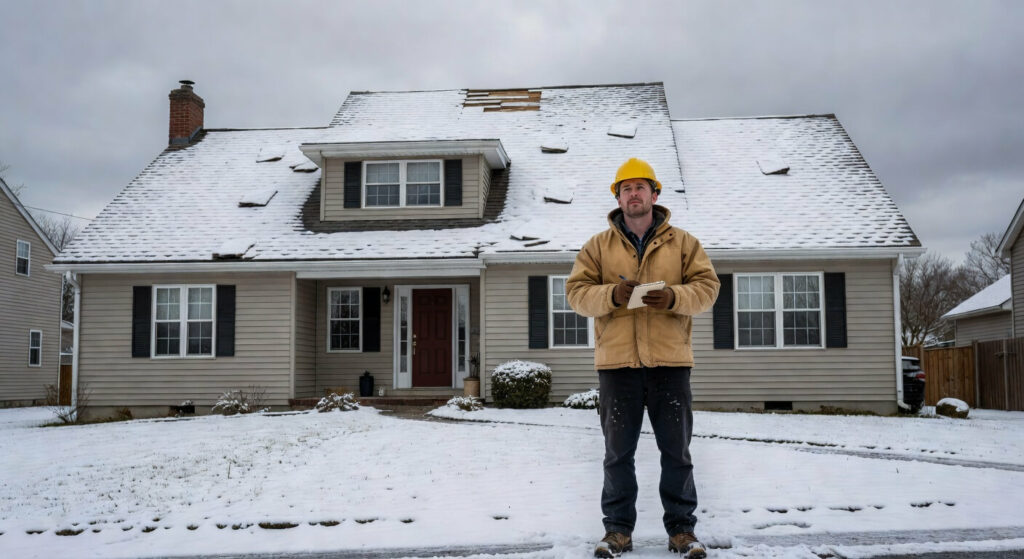
Winter weather can put extra stress on a roof, especially when snow, ice, and sharp temperature shifts keep hitting the same surface. When a roof starts showing wear, small issues can turn into bigger problems fast, which is why it helps to know what is shingle roofing before damage spreads.
Shingles are one of the most common roofing materials because they are practical, easy to replace in sections, and work well for many homes. If you live in Upper Saint Clair, winter is a smart time to pay attention to roof condition, since cold weather can reveal weak spots that were easy to miss earlier in the year.
A roof that looks fine from the ground may still have loose, cracked, or aging shingles that need attention. If water gets under those layers, it can lead to leaks, staining, and hidden damage inside the home, so it pays to act early. We often remind homeowners that a quick review of the roof now can help avoid a much bigger repair later, and our [roofing inspection](https://pennsylvania.rooftastic.com/roofing/inspection/) service can help identify concerns before they grow.
How Shingle Roofing Works
Shingle roofing is made by layering individual pieces so they overlap and help shed water away from the roof deck. That simple design is part of why it remains a trusted choice for many homes, especially when proper installation and routine care are in place.
The outer layer does most of the visible work, but the real protection depends on how well each piece is sealed and aligned. When one shingle loosens or breaks, nearby sections can become vulnerable too, which is why regular checks matter during winter weather in Upper Saint Clair.
Step-by-Step Guide to Understanding Shingle Roofing
🔍 Step 1: Look at the roof from the ground
Start by checking for missing, curled, or damaged shingles from a safe spot on the ground. This helps you spot clear signs of trouble without climbing up or putting yourself at risk.
🌨️ Step 2: Check after snow or ice
Winter weather can make weak spots easier to notice, especially after snow begins to melt. Watch for dark spots, icicles, or areas where water seems to collect, since these can point to poor drainage or damage.
📋 Step 3: Learn the parts of a shingle roof
A shingle roof usually includes the shingles themselves, underlayment, flashing, and the roof deck underneath. Knowing these parts makes it easier to understand where problems start and why one issue can affect the whole system.
🛠️ Step 4: Compare visible damage with roof age
If shingles are cracked, missing granules, or lifting at the edges, age may be a major factor. Older roofs often lose strength over time, so damage that seems small can mean the roof is nearing the end of its useful life.
💧 Step 5: Watch for signs inside the home
Water stains on ceilings, damp attic areas, or peeling paint can all point to roof trouble. These signs matter because roof damage does not always stay outside, and indoor clues can help confirm a problem early.
🧰 Step 6: Keep gutters clear
Blocked gutters can send water back toward the roof edge and make shingle problems worse. Clean drainage helps water move away the right way, which lowers the chance of ice buildup and moisture damage.
📞 Step 7: Schedule a professional review
A trained roofer can spot issues that are easy to miss, including loose flashing or hidden wear under the top layer. This is especially important when you want a clear answer about whether the roof still has solid life left.
Common Mistakes to Avoid
Many homeowners try to handle roof concerns on their own and miss small warning signs that can lead to larger damage. Winter conditions can make the job harder because cold surfaces, snow, and ice can hide problems or make them seem less serious than they are. These are the mistakes we see most often when people try to figure out what is shingle roofing on their own.
- ⚠️ Mistake 1: Ignoring minor shingle damage
This happens when a cracked or curled shingle seems too small to matter. The problem is that even one damaged spot can let water reach the layers below, so it is best to address it early before it spreads. - ⚠️ Mistake 2: Checking the roof only from far away
Many people assume a roof is fine if it looks okay from the street. That can hide broken shingles, worn flashing, or lifted edges, so a closer look from a safe position is needed to catch real damage. - ⚠️ Mistake 3: Forgetting to inspect after winter storms
This mistake usually happens because homeowners wait for a leak before taking action. Snow, ice, and wind can loosen shingles quickly, so storm checks help catch issues before they become expensive repairs. - ⚠️ Mistake 4: Overlooking indoor warning signs
People often focus only on the roof surface and miss ceiling stains or attic dampness. Those signs matter because they can point to water entering the home, and catching them early can reduce further damage. - ⚠️ Mistake 5: Delaying a professional review
This often happens when a roof seems “good enough” for now. The risk is that hidden wear can keep growing, so a professional check helps confirm whether the roof still has strength or needs attention soon.
Frequently Asked Questions
What is shingle roofing?
Yes, shingle roofing is a roof system made from overlapping individual pieces that help move water off the roof. It is one of the most common roofing styles because it is practical, durable, and familiar to many homeowners.
How long does shingle roofing usually last?
Yes, shingle roofing can last many years, but the lifespan depends on the material, installation quality, and weather exposure. Heavy winter conditions, strong sun, and poor maintenance can all shorten how long the roof stays in good shape.
What are the signs that shingles need to be replaced?
Yes, common signs include curling edges, missing pieces, cracked surfaces, and granules collecting in gutters. If you notice leaks or stains inside the home, the shingles may already be failing and should be checked quickly.
Can shingle roofing handle winter weather?
Yes, shingle roofing can handle winter weather when it is installed properly and kept in good condition. Snow, ice, and freezing temperatures can still expose weak spots, so regular checks are important during cold months.
Do I need a roof inspection if I only see small damage?
Yes, small damage can still lead to bigger roofing problems if it is ignored. A trained roofer can tell whether the issue is isolated or part of a larger pattern that needs repair or replacement.
Final Thoughts on Shingle Roofing
Knowing what is shingle roofing gives homeowners a better way to protect their property through the winter months. It also helps you spot early warning signs before they turn into water damage, missing shingles, or larger repair needs.
If you live in Upper Saint Clair and want to stay ahead of roof problems, paying attention now can save time and stress later. A little knowledge goes a long way when it comes to keeping your roof ready for the season, so feel free to follow us on social media.