• Identify signs like missing shingles or leaks to gauge roof health
• Understand how roof condition impacts energy efficiency and aesthetics
• Learn when to call professionals for a roof replacement evaluation
Identifying Key Signs of an Aging Roof
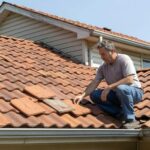
When you look up at your Craftsman home, do old shingles greet you with a less-than-welcoming appearance? Typical roofing materials have an expiration date, and if your roof’s shingles are missing or show signs of wear such as curling or cracking, it’s a nod towards their life’s end. This wear is not just a cosmetic issue; it’s a clear signal that your roof may no longer provide the protection your home needs. Aged roofs are particularly vulnerable during Crafton’s sun-bathed summers when the intense heat can further damage worn materials.
Leaks and Water Damage: Silent Culprits
The true tell-tale signs of a failing roof often hide out of sight. In the hidden corners of your attic or against your ceilings, water marks or mold may form quietly after seasonal downpours. These signs of water damage – especially if they persist or worsen after each rainfall – are clear indicators that prompt action is needed. Consistently damp environments can lead to more extensive structural issues, and a proactive approach can save you from future costly repairs.
The Impacts of Summer Storms on Your Roof
Beyond the slow creep of leaks, summer in Crafton can conjure up storms that batter roofs with intense fervor. Hail or heavy thunderstorms can inflict abrupt and noticeable damage, leaving you with no choice but to consider a full roof replacement. It’s critical to survey your roof for damage following any significant weather event, as compromised roof integrity can imperil your home’s safety. Remember, even seemingly minor damage from storms can exacerbate pre-existing conditions and necessitate more urgent roof care.
Energy Efficiency and Your Roof’s Role
A roof does more than keep out the rain; it’s a pivotal player in your home’s energy efficiency. Poor insulation can steer to a surge in energy bills, a common plight during the swelter of Crafton’s summer. But it’s not all doom and gloom; choosing the right roof can turn the tide, offering improved insulation and significantly lower energy costs. It’s wise to assess your energy consumption over recent months; a spike might suggest that your roof is no longer pulling its weight in keeping your home temperate.
When Aesthetic Goes Beyond the Surface
The outward appearance of your roof speaks volumes about the overall health and upkeep of your abode. Discoloration or the presence of moss and algae can often be more than surface deep, hinting at potential underlying damage. Of course, a roof in disarray can also hit your home’s curb appeal, impacting both pride of ownership and potential resale value. For those compelled by aesthetics or looking to safeguard their investment, considering a full roof replacement may be the step forward.
Step 1: Identify Age and Condition of Your Roof
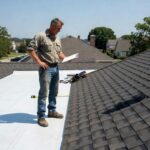
Evaluate the age of your current roof against the typical lifespan of the roofing materials. Inspect for indicators such as missing, curling, or cracked shingles which might signal it’s time for a roof replacement.
Step 2: Check for Leaks and Water Damage
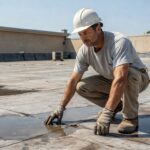
Search for signs of water damage or leaks in your attic and ceilings, especially after heavy rainfall. Persistent leaks are a clear sign that your roof may need to be replaced.
Step 3: Evaluate Storm and Weather Impact
Assess any damage caused by severe weather events such as heavy snow, hail, or storms. These can compromise the roof’s integrity and often necessitate a replacement.
Step 4: Consider Energy Efficiency
Analyze your energy bills for any inefficiencies that may be attributed to poor roof insulation. A new, energy-efficient roof can improve insulation and reduce costs.
Step 5: Understand the Impact of Roof Appearance
Assess the cosmetic appearance of your roof. Discoloration, algae growth, or an outdated style could decrease your home’s curb appeal and prompt a replacement.
Step 6: Inspect the Roof Structure
Look for any signs of sagging or structural damage. These symptoms could indicate deeper issues and might necessitate a full roof replacement.
Step 7: Account for Maintenance History
Review your roof’s maintenance records. A history of frequent repairs might suggest that it’s more cost-effective in the long-term to invest in a new roof.
Step 8: Consult with Roofing Experts
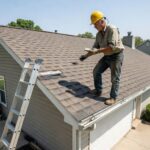
If you’re still uncertain, consult with a roofing expert for an in-depth assessment. They can offer professional insights specific to your situation in Crafton and during the summer season.
Common Roofing Mistakes to Avoid in DIY Projects
As homeowners begin the important task of evaluating their roofs for potential replacement, enthusiasm for DIY solutions can lead to common, but avoidable, missteps. These errors not only impact the effectiveness of your repairs but can also compromise your roof’s longevity and your home’s safety. To ensure your roof remains sturdy and secure, let’s talk about several frequent mistakes and how to sidestep them for a successful maintenance or replacement project.
Mistake 1: Ignoring Manufacturer Guidelines
– Homeowners often overlook the importance of following the manufacturer’s instructions when installing or repairing roofing materials. This oversight can result in improper installation, leading to early wear and potentially voiding warranties. Always consult the manufacturer’s guidelines for the specific materials used on your roof to ensure correct application.
Mistake 2: Poor Leak Investigation
– A leak might seem minor, but its origins can be deceptive and challenging to trace. Failing to properly investigate the full extent of a leak can cause ongoing water damage that remains hidden until it becomes a significant issue. Always track leaks back to their source and address the underlying cause to prevent long-term structural damage.
Mistake 3: Neglecting Weather Considerations
– Many DIYers underestimate the impact of local weather patterns, especially in Crafton where the summer can be tough on roofing materials. Not accounting for weather-related damage can lead to insufficient roof repairs. To avoid this, assess all potential weather impact and employ materials and methods suited for local climate conditions.
Mistake 4: Overlooking Energy Efficiency
– It’s easy to miss the signs of an energy-inefficient roof, such as high energy bills or irregular indoor temperatures. Ignoring these symptoms can cost you more in the long run in utility expenses. Prevent this by evaluating your home’s energy efficiency and considering an upgrade to more insulated roofing materials.
Mistake 5: Misjudging Cosmetic Issues
– Dismissing aesthetic imperfections as merely surface-level can be a grave misjudgment. Issues like discoloration and algae growth may indicate deeper problems that, left unaddressed, could lead to the need for a complete roof replacement. Always inspect not just for appearance but also for the health of your roofing system.
Mistake 6: Mishandling Structural Signs
– Homeowners often misinterpret or overlook signs of structural weakening, such as sagging or a bouncy roof deck. These indicators can point to serious problems that might necessitate more extensive solutions than a simple DIY fix. Regularly inspect structural elements and engage a professional if you identify significant issues.
Mistake 7: Disregarding Repair History
– A patchwork history of frequent, minor repairs can signal a failing roof. Focusing on short-term fixes without considering their cumulative effect on your roof’s condition can lead to larger problems. Keep a detailed record of all maintenance and use it to inform decisions about whether to continue repairs or opt for a full replacement.
Mistake 8: DIYing When Expertise is Required
– There’s a fine line between what can be handled via DIY and when it’s time to call in the experts. Undertaking a roofing project without the necessary skills or tools can result in subpar work and safety risks. If in doubt, always opt to consult with roofing experts who can offer the appropriate advice and solutions tailored to your circumstances in Crafton.
Inspecting for Structural Integrity
Roofs are the unsung heroes of our homes, quietly enduring the elements to keep us safe. But when a roof begins to sag or show signs of structural weakness, it’s a silent alarm for immediate attention. Crafton residents, heed this warning, as the compounding effect of summer storms and daily heat exposure can fast-track the deterioration of even the most stalwart roofs.
Maintenance: The Key to Longevity
A roof over your head is as good as its care; consistent maintenance can extend its lifespan considerable. Yet, when those patches become all too frequent, it may be a signal that short-term fixes are no longer sustainable. This is why, especially in the high-demand weather of Crafton’s summers, the history of your roof’s upkeep should guide your decision on whether a roof replacement is the practical next step.