• Learn critical signs of roof vulnerability to hurricanes
• Step-by-step guide to secure roofs and gutters for the season
• Pro tips to avoid common preparation mistakes before a storm
Uncover the Signs: Is Your Roof Ready for Hurricane Season?
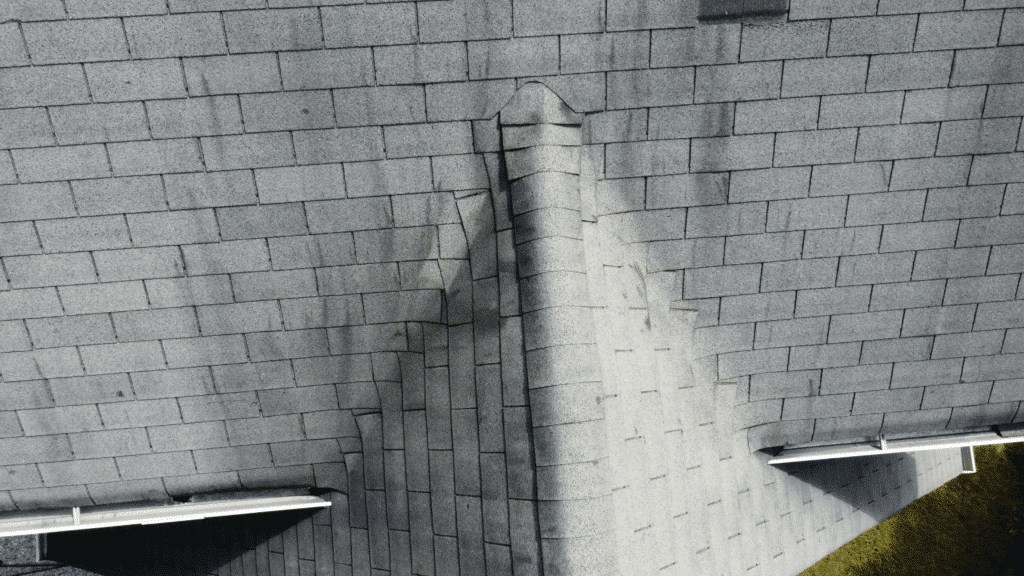
As the calming warmth of July settles over Glenshaw, the looming threat of hurricane season stirs the need for vigilance amidst tranquility. A stroll outside to admire the summer greenery is the perfect occasion to also cast a discerning eye over your roof. Spotting curled or missing shingles now could be the key to preventing a breach when the storms rage. Likewise, an inference of cracked tiles or wear around vents may hint at underlying vulnerabilities, urging immediate attention.
When Gutters Tell a Stormy Tale
Gutters and downspouts, often forgotten, play a pivotal role in shielding your home during the torrential wrath of hurricanes. A mere glance may reveal gutters burdened with leaves and debris, a silent plea for clearing before they impede the flow of stormwater, risking damage not just to your roof but to the foundation of your cherished home. The evidence of rust or separation from the fascia board signals potential failure points—a risk not worth taking with the impending weather trials.
Loose Elements: The Hidden Harbingers of Damage
In the placid air, listen for the subtle whisper of the wind through loose shingles and tiles; it’s a siren song of potential ruin. Understanding the susceptibility to high winds can be as simple as noting any raised or flapping shingles that beckon for securement. Moreover, surveying your yard for items like unanchored garden tools and shaky fences could avert the unintended havoc they can wreak as they’re tossed about by storm gusts, transforming into inadvertent projectiles aimed at your home.
Securing the Foundation Against the Storm
The integrity of your roof is critical as the skies darken with the approach of hurricanes. A prompt roof inspection can lead to early detection of potential threats that may otherwise go unnoticed until it’s too late. Such an evaluation comes with the reassurance that no stone is left unturned in your quest to shield your abode from the tempest’s grip. Entering the season with confidence in your roof’s resilience means understanding that every shingle, seal, and intersection offers a line of defense against the fury of the elements.
The First Line of Water Defense
Gutters serve as silent sentinels, guiding raucous rainwaters away from their potential havoc on your home’s foundations and structure. Ensuring these pathways are meticulously clean can be as straightforward as scheduling regular maintenance, a task that gutters and downspouts services can handle with efficiency. Post-storm debris in the gutters acts as more than just an unsightly inconvenience—it heralds the onset of potential water damage that could erode the very core of your property. It is imperative, then, to take heed and act swiftly, for preparation today forewarns the perils of tomorrow.
Step 1: Assess Your Roof’s Current Condition
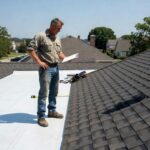
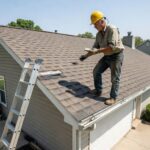
Begin your hurricane season preparations by conducting a thorough inspection of your roof. Look for signs of damage such as missing shingles, cracks, or leakages. Make note of any current issues that may need addressing before the stormy weather hits.
Step 2: Clean Your Gutters and Downspouts
Ensure that your gutters and downspouts are clear of debris to prevent blockages. During a hurricane, a well-functioning drainage system is crucial for channeling water away from your roof and foundation effectively.
Step 3: Secure Loose Shingles and Tiles
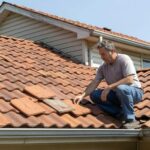
Check for any loose shingles or tiles and secure them. Use roofing cement or nails to fasten them properly. This can prevent them from becoming airborne during high winds, which can cause further damage to your roof and surrounding properties.
Step 4: Trim Trees and Secure Loose Yard Items
Trim back any branches hanging over your roof, as they can cause damage during a storm. Also, secure or store any loose items in your yard, like patio furniture, to prevent them from becoming projectiles.
Step 5: Install Hurricane Straps or Clips
To provide additional stability to your roof, consider installing hurricane straps or clips. These steel connectors reinforce the bond between your roof and the structure of your home, helping to reduce the risk of roof lift-off during high winds.
Step 6: Inspect and Seal Roof Flashing
Examine the metal strips, known as flashing, that seal the transitions on your roof. Ensure they are intact and properly sealed to prevent water intrusion. If necessary, apply roofing cement or replace damaged sections.
Step 7: Review Your Insurance Coverage
Review your homeowner’s insurance policy to ensure it provides adequate coverage for hurricane-related damage. Consider adding flood insurance if you’re in an area at high risk for flooding.
Step 8: Create an Emergency Repair Kit
Prepare an emergency kit with essential items such as tarps, roofing nails, a hammer, and roofing sealant. In the event of minor damage, this kit will help you perform quick repairs to prevent further issues until professional help arrives.
Avoiding Common Hurricane Season Prep Mistakes
Even with the best intentions, residents can inadvertently make mistakes when preparing their roofs for hurricane season. While DIY efforts are commendable, the complexity of roof maintenance requires a keen eye for detail and a thorough understanding of the tasks at hand. To help ensure your safety and the integrity of your roof, we’re highlighting common pitfalls to steer clear of.
Mistake 1: Neglecting Early Inspections
– Why it happens: Many homeowners wait until the hurricane season is upon them before checking their roof’s condition.
– How to prevent it: Schedule regular roof inspections, especially before season changes, to detect damages early.
Mistake 2: Overlooking Gutter and Downspout Maintenance
– Why it happens: Gutters are often out of sight and, therefore, out of mind until a problem arises.
– How to prevent it: Clean and inspect gutters and downspouts biannually to ensure they are free of clogs and in good repair.
Mistake 3: Improperly Securing Shingles and Tiles
– Why it happens: Overestimating the durability of shingles and tiles leads to a false sense of security.
– How to prevent it: Visually inspect each shingle or tile and test for security; use the appropriate adhesives or nails if any are loose.
Mistake 4: Disregarding Nearby Tree Hazards
– Why it happens: It’s easy to underestimate the potential damage from tree limbs until a storm hits.
– How to prevent it: Trim any overhanging branches well before hurricane season and ensure all yard items are secured or stored.
Mistake 5: Skipping the Installation of Hurricane Straps
– Why it happens: Some may not be aware of the benefits or may avoid the perceived hassle of installation.
– How to prevent it: Understand the value of hurricane straps for roof stability and seek professional installation.
Mistake 6: Ignoring Roof Flashing
– Why it happens: Flashing issues are less noticeable but can cause significant water damage during heavy rains.
– How to prevent it: Regularly inspect flashing for any signs of damage or wear and address issues promptly.
Mistake 7: Assuming Adequate Insurance Coverage
– Why it happens: Homeowners mistakenly believe that all hurricane-related damages will be automatically covered.
– How to prevent it: Review your policy annually to understand your coverage and adjust as needed, including adding flood insurance.
Mistake 8: Lacking an Emergency Repair Kit
– Why it happens: Many don’t think of immediate post-storm repairs until it’s too late.
– How to prevent it: Assemble an emergency repair kit with essentials and keep it readily accessible during hurricane season.
Fortifying Your Roof Against High Winds
When hurricane-force winds threaten, the stability of each shingle on your roof is paramount. Secure any loose tiles and shingles as they can easily become hazardous debris, causing extensive damage to not only your roof but potentially your neighbors’ homes as well. Emergency roof repairs can be efficiently managed when you know who to call, so consider keeping a list of trusted professionals within reach before the storms hit.
Embracing Your Role in Neighborhood Safety
Beyond your immediate property, it’s important to remember that community safety starts with individual preparedness. Taking time to trim overhanging branches and tying down loose yard items can significantly diminish the risk of property damage for everyone. If your roof requires more thorough work, don’t hesitate to seek expert roofing replacement to ensure a serene and secure hurricane season.