• Explore Pennsylvania’s fall roofing regulations to ensure your roof’s compliance.
• Uncover professional tips and industry standards for autumn roof preparation.
• Discover the benefits of expert roofing services for long-term safety and efficiency.
Spotting the Warning Signs
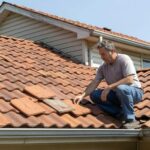
As the leaves begin to turn and the crisp air settles in Perry during fall, it’s crucial for homeowners to be vigilant about the state of their roofs. With the arrival of this season, you may notice shingles that are cracked, curling, or even missing, which are clear indicators that your roof may not be up to Pennsylvania’s rigorous roofing regulations for fall compliance. Another concerning sign is the presence of water stains on your ceilings or walls, pointing to potential leaks that can escalate with the colder weather. Ensuring your roof’s readiness before the winter sets in not only secures your home from the elements but is also a legal mandate in the state of Pennsylvania.
Take the First Step Towards Compliance
Understanding Pennsylvania roofing regulations is your first line of defense against the biting cold and heavy precipitation that can lead to serious roofing woes. Ignorance is not bliss, especially when it comes to the strict standards set forth by the state for fall roofing compliance. It’s essential to familiarize yourself with these regulations, as they are not merely suggestions but obligatory rules that safeguard both the structural integrity of your home and the safety of its inhabitants. By grasping the legal necessities, homeowners can confidently assess whether their roofing situation meets the mark or requires prompt attention.
Professional Inspections as a Preemptive Measure
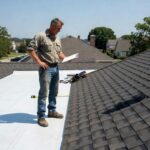
Scheduling a roofing inspection is not about finding faults; it’s about preemptive care to avoid costly emergencies in the future. A professional can uncover issues that are unsuspecting to the untrained eye, such as compromised flashing or structural weaknesses, which require immediate rectification. This step is even more pivotal as fall beckons, bringing with it the need for your home to withstand the harsh realities of the subsequent winter. Licensed inspectors are equipped with the knowledge of Pennsylvania’s regulations and can provide actionable insights, ensuring your roof is not only compliant but also primed for the seasonal shift.
Importance of Regular Maintenance
A well-maintained roof is the backbone of a sturdy and safe home, especially as we brace ourselves for the changing weather that fall brings. It’s not just about fixing problems, it’s about preventing them; hence, the significance of regular maintenance cannot be overstated. Even the most minor issues like a loose shingle or a clogged gutter can escalate into major complications when not addressed in time. Stay on top of your roof’s condition with scheduled inspections and upkeep; it’s easier to manage small maintenance tasks now than to deal with a costly and extensive fix later.
When to Consider a Replacement?
There comes a point when repairs might not be enough, and a roof replacement becomes inevitable. Persistent issues like water damage, sagging, or extensive moss and algae growth can signal that it’s time to consult with professionals about a new roof. Decisions regarding roof replacements should not be taken lightly, as they significantly affect your home’s compliance and safety profile. For in-depth insights and options tailored to your needs, consider visiting Roofing Replacement Services, where experts can guide you through making the best decision for your home.
Step 1: Understand Pennsylvania Roofing Regulations
Research the latest Pennsylvania roofing codes and standards. Familiarize yourself with the specific regulations that apply to fall compliance to ensure your roofing project meets all legal requirements.
Step 2: Schedule a Roof Inspection
Hire a licensed inspector to conduct a thorough roof inspection. This should align with Pennsylvania’s fall weather conditions to identify any areas in need of repair or reinforcement before winter.
Step 3: Prioritize Safety Measures
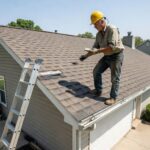
Implement safety protocols as mandated by Pennsylvania roofing regulations. This includes the use of safety harnesses, guardrails, and proper fall arrest systems when working on roofs.
Step 4: Perform Necessary Roof Repairs
Address any issues found during the inspection promptly. Ensure that all repairs are in compliance with Pennsylvania regulations, focusing on reinforcing the roof’s integrity for the fall season.
Step 5: Clear Debris and Maintain Drainage
Remove leaves, branches, and other debris from the roof and gutters. Check the drainage systems to prevent water accumulation and ice dam formation, which are especially pertinent in the fall.
Step 6: Insulate and Ventilate the Attic
Properly insulate and ventilate the attic as per Pennsylvania’s guidelines. This helps regulate temperature and prevent ice dams, which can result from fluctuating temperatures in the fall.
Step 7: Document Compliance Efforts
Keep detailed records of all inspections, maintenance, and repairs done in compliance with Pennsylvania’s roofing regulations. Documentation may be necessary for insurance or legal purposes.
Step 8: Stay Updated on Regulation Changes
Regularly review Pennsylvania roofing regulations for any changes or updates. Staying informed will help ensure ongoing compliance and readiness for future fall seasons.
Common DIY Roofing Mistakes to Avoid
When venturing into the territory of DIY roof maintenance and repair, particularly with the stringent Pennsylvania roofing regulations in mind, it’s easy to slip into costly errors. Homeowners eager to prep their roofs for fall compliance must tread carefully to avoid missteps that could compromise their home’s safety and legality. Below is a list of frequent DIY mistakes that can occur without proper knowledge and preparation, and how to steer clear of these pitfalls.
Mistake 1: Neglecting Local Roofing Codes
Many DIY enthusiasts start projects without a full understanding of Pennsylvania’s specific roofing codes. This oversight can lead to non-compliance with regulations, which may result in penalties or the need for costly rework. Prevent this by thoroughly researching state regulations and possibly consulting with a local professional before starting any work.
Mistake 2: Skipping Professional Inspections
Assuming personal judgment is sufficient over expert analysis is a common error. A professional inspector can detect hidden damages or issues that require attention according to Pennsylvania fall weather conditions. Prioritize a professional assessment to ensure a comprehensive understanding of your roof’s condition before attempting any repairs.
Mistake 3: Ignoring Safety Protocols
In the interest of saving time or reducing costs, safety measures can be overlooked by DIYers. Not using appropriate safety gear, such as harnesses and guardrails, not only violates Pennsylvania roofing regulations but also endangers your well-being. Always follow mandated safety procedures to ensure both compliance and personal safety.
Mistake 4: Delaying Necessary Repairs
Postponing repairs after an inspection might seem tempting but can lead to larger issues as the season progresses. Addressing problems immediately ensures that your home remains secure and compliant, especially with the harsher weather conditions of fall and winter. Be proactive about repair work to avoid more extensive damage to your roof’s integrity.
Mistake 5: Inadequate Debris Clearance and Drainage Maintenance
Failing to regularly clear debris or maintain gutter and downspout systems can result in water damage and ice dams. A clear drainage path is essential to prevent water accumulation, which is especially critical during fall. Regularly clean your roof and gutters to maintain proper drainage and stay within regulation standards.
Mistake 6: Improper Attic Insulation and Ventilation
Improperly insulating or ventilating your attic can lead to temperature regulation issues and contribute to ice dam formation. Ensure that your insulation and ventilation align with Pennsylvania’s guidelines to protect against temperature fluctuation. This step is vital for maintaining a compliant and functional roof.
Mistake 7: Inconsistent Record Keeping
Documentation of all roofing work is crucial but often disregarded in DIY projects. Maintaining detailed records validates compliance efforts and can be significant for insurance or legal purposes. Keep a log of all inspections, repairs, and maintenance actions, noting adherence to regulation protocols.
Mistake 8: Not Staying Informed on Regulation Updates
Roofing regulations can change, and failing to stay informed on updates can result in inadvertent non-compliance. Regularly review any changes in Pennsylvania roofing regulations to ensure your DIY efforts continue to meet the necessary standards for fall compliance and beyond. Knowledge is power when it comes to maintaining a legal and secure roof.
Proactive Measures Lead to Better Safety
Regular maintenance combined with professional guidance is the most effective way to ensure your roof remains safe and compliant with Pennsylvania roofing regulations. The fall season, with its unique challenges, requires a special focus on safety protocols like proper installation and wear-and-tear assessments. By being proactive, homeowners in Perry can enjoy peace of mind knowing that their roof is prepared for whatever the season brings.
Partnering With the Right Professionals
Engaging with experienced roofing professionals is key to extending the lifecycle of your roof and ensuring compliance. A reputable roofing partner will prioritize safety and precision, employing the right techniques and materials for your roofing needs. To ensure you’re working with the best, visit Roofing Inspection Services for assessments that provide valuable insights and actionable recommendations.