
• Identifying signs of roof damage: Learn to spot and document key issues for timely repairs.
• Effective communication for stakeholders: Strategies for keeping staff and clients informed during repairs.
• Selecting the right contractor: Tips on finding experienced professionals for minimal business disruption.
Understanding the Signs of Roof Wear in Commercial Spaces
For businesses operating in the bustling environment of Cranberry Township, maintaining a sturdy roof is not just a matter of structural integrity—it’s a concern that can significantly impact day-to-day operations. Vigilance is key, and the first step is recognizing the telltale signs that your roof may need attention. Look out for missing shingles, persistent leaks, or sagging areas, as these issues can escalate quickly, particularly during the high winds and storms common to the summer season. Timely identification of these issues is crucial to avoid potential closures or costly emergency repairs.
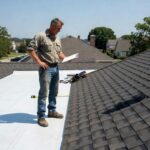
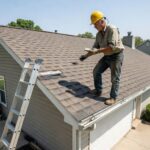
Once you’ve noticed irregularities, it’s essential to document existing damage comprehensively. This snapshot of your roof’s condition is invaluable for future repair work and insurance claims. Note any deterioration such as broken flashing, pooled water, or clogged drainage systems. Visual evidence and detailed descriptions will offer your chosen contractor a clear picture of what needs to be fixed and help in managing roof repairs in active business environments efficiently.
Communication is a cornerstone of any repair work, and it’s no different when it comes to roofing. Before any work commences, it’s imperative to conduct thorough stakeholder communication. This involves discussing planned works with your team, preparing customers for any slight inconveniences, and coordinating with neighboring businesses to maintain good relationships and minimize impact. Establishing a clear line of communication not only fosters trust but also ensures that the repair process runs smoothly without hindering commercial activities.
Selecting the Right Roofing Partner
Selecting the right contractor is a pivotal part of the process in managing roof repairs in active business environments. Look for a team with a solid track record in commercial roofing, notable for their reliability and precision. Check their licensing and insurance to ensure they’re equipped to handle the job lawfully and professionally in Pennsylvania. Roof-Tastic & Beyond Exteriors understands the unique demands of a business-focused repair project and is adept at working efficiently to get the job done with minimal interference to your operations.
Clear and consistent communication with your roofing contractor lays the groundwork for a successful repair project. From the initial inspection to the final implementation, it is essential that they understand the importance of keeping your business functional throughout the process. Utilize Roof-Tastic & Beyond Exteriors for their expertise in conducting thorough assessments, creating a detailed plan, and executing the repair work with precision. This proactive approach ensures that every step, from inspecting your roof to the final review of the repairs, is handled expertly to give you peace of mind.
Step 1: Evaluate Your Business Operation Needs
Identify the peak and off-peak hours of your business operations. This will help in scheduling roof repair work during times that cause the least disruption to your daily activities.
Step 2: Document Existing Roof Damage
Inspect the roof for any visible signs of damage or wear that needs to be addressed. Take clear photographs and notes that can be referenced during the repair process.
Step 3: Communicate with Stakeholders
Inform your employees, clients, and neighboring businesses about the upcoming repairs, ensuring they are prepared for any minor inconveniences that may arise.
Step 4: Engage a Professional Roofing Contractor
Select a roofing contractor with proven experience in commercial roof repairs, particularly in active business environments like Cranberry Township.
Step 5: Plan the Repair Logistics
Work with your contractor to plan every aspect of the repair process, considering factors like material delivery, waste disposal, and work area delineation to ensure safety and orderliness.
Step 6: Implement Safety Measures
Prioritize the safety of your employees and clients by setting up clear signage, walkway barriers, and other safety precautions as guided by your contractor.
Step 7: Monitor the Repair Progress
Keep track of the repair progress with regular updates from the roofing contractor, ensuring that the repairs are on schedule and meet the set quality standards.
Step 8: Conduct a Post-Repair Review
Once repairs are complete, inspect the work to ensure all issues have been addressed satisfactorily. Discuss any follow-up maintenance or preventative measures with the contractor to avoid future disruptions.
Avoiding Common DIY Roof Repair Blunders
When the stakes are high, businesses can’t afford the fallout from DIY roof repair mistakes. Unfortunately, missteps in the process can lead to extended disruptions, safety hazards, and even more costly damage. Understanding the most common errors and how to sidestep them is crucial for Cranberry Township business owners looking to manage roof repairs effectively.
-
Mistake #1: Neglecting Peak Business Hours
– Attempting repairs during peak business times can lead to increased disruptions and potential customer dissatisfaction. To prevent this, thoroughly evaluate business hours and plan repairs during slower periods, ensuring minimal impact on operations. -
Mistake #2: Inadequate Damage Documentation
– Failing to thoroughly document roof damage can hinder the repair process and future warranty or insurance claims. Take the time to inspect your roof and document every issue with photographs and detailed notes. -
Mistake #3: Poor Stakeholder Communication
– Overlooking the importance of informing employees and nearby entities about repair schedules can lead to confusion and frustration. Prioritize clear communication to prepare everyone for upcoming inconveniences, solidifying trust and operational harmony. -
Mistake #4: Choosing the Wrong Contractor
– Engaging a contractor without commercial roof repair experience in active environments can increase the risk of delays and unsatisfactory work. Select a contractor like Roof-Tastic & Beyond Exteriors, with a proven track record in the industry and in regions like Cranberry Township. -
Mistake #5: Lax Safety and Quality Control
– Dismissing safety protocols and not closely monitoring the quality of repairs can have grave consequences. Work with your contractor to ensure all safety measures are in place and conduct regular checks to uphold the standard of repairs.
Coordinating Repair Logistics
Coordinating the logistics of your roof repair is a strategic operation that demands attention to detail. Collaborate closely with your roofing contractor to outline a timeline and workflow that aligns with your business’s schedule, ensuring minimum disruption while maximizing efficiency. This logistical roadmap is key to maintaining a seamless flow of business operations while roof work is underway in the energetic environment of a Cranberry Township summer.
Ensuring Safety and Quality
Implementing stringent safety measures is non-negotiable during commercial roof repairs. By prioritizing the well-being of everyone on-site, Roof-Tastic & Beyond Exteriors creates a secure environment for both workers and patrons. For more in-depth insights into quality roofing services, consider exploring options for roof replacements provided by seasoned experts in the field.